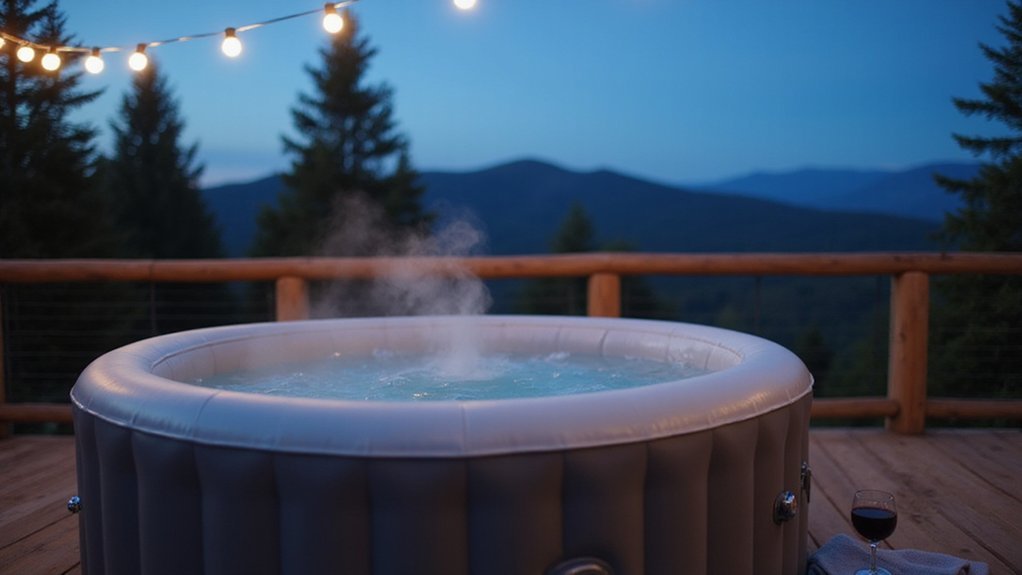
Wondering how much an inflatable hot tub might cost? Prices typically range from about $200 to over $2,000, depending on size, brand, and features.
Factors like LED lighting, powerful jets, and better insulation can also influence the final price. Keep reading to find out what you should consider to get the best fit for your budget and needs.
What Determines the Cost of an Inflatable Hot Tub?
The price of an inflatable hot tub is primarily determined by its size, features, material quality, and energy efficiency. Larger models that accommodate more people require extra material and a more powerful pump, which increases costs. Upgraded features like additional jets or built-in LED lighting also add to the price. High-quality, reinforced vinyl materials cost more initially but can prevent early replacements, saving you money in the long run. Choosing a durable, well-fitting winter pool cover can also extend the life of your investment by protecting it from the elements when not in use. The heater’s power and efficiency influence both the initial purchase price and ongoing energy expenses. Strategic heating practices, such as pre-heating before use and turning it off afterward, can help manage these ongoing costs. Keep in mind that maintenance costs over time and optional accessories such as covers or carrying bags can further affect your total expenditure, including the need for non-chlorinated shock and other pool chemicals. In cooler weather, a fast heating time can be a crucial performance factor for maximizing enjoyment and efficiency.
Inflatable Hot Tub Price Tiers: Budget to Premium
Inflatable hot tubs come in four main price tiers, each offering different features suited to various budgets and needs. Budget models, priced between $200 and $600, are suitable for occasional users who want simple comfort and basic air jets for 2 to 4 people. These units are ideal for seasonal use during warm months and are budget-friendly, but they may lack advanced insulation or extra features, and you may need to perform a system shock to restore water clarity after heavy use. To maintain optimal water quality in any hot tub, a high-quality pool filter cartridge is essential for trapping debris, and you may also need to perform a superchlorination process to eliminate persistent contaminants. Mid-range units, costing from $400 to $900, typically include better insulation, more powerful pumps, and additional features like LED controls, allowing 4 to 6 people to enjoy year-round use. Premium tiers, priced between $700 and $1,500, often feature hydrojets for massage effects, “Freeze Shield” technology for colder conditions, and can accommodate up to 8 people, making them suitable for more frequent or serious use. Not all premium models are built for winter operation, so buyers in cold climates should specifically seek out models with automatic freeze protection for true year-round use. Ultra-premium models, starting at $1,200 and up, incorporate spa-grade materials and advanced insulation systems, offering year-round enjoyment with minimal maintenance. Regardless of the price tier, regular maintenance and proper seasonal storage are key to prolonging your hot tub’s lifespan and maintaining performance.
How Size Impacts Your Inflatable Hot Tub Cost
The size of your inflatable hot tub significantly impacts its cost, primarily based on its capacity. A model designed for two people typically starts around $300, while a six-person version can reach up to $2,000. Larger tubs require thicker PVC material, more internal ribs for support, and more powerful heating systems, all of which increase manufacturing costs. These additions also lead to higher energy consumption. Additionally, bigger tubs often have more jets to enhance comfort and experience, adding another $200 to $400 to the price. Keep in mind that increased water volume means more chemicals and maintenance effort to keep the water balanced and clean, so knowing the required wait times after adding chemicals is key. Larger units also require bigger covers and filters, which scale up your accessory expenses. Finally, consider that larger inflated sizes take up more storage space and may have higher shipping fees, so plan accordingly for both your budget and your available space.
Inflatable Hot Tub Brands: Price Ranges From Intex to MSpa
While size influences your inflatable hot tub’s price, the brand you select also plays a crucial role. Intex offers a broad price range, from basic $350 bubble tubs to premium models over $1,200 with enhanced insulation and massage jets. Their mid-range PureSpa Series, priced between $500 and $800, typically includes popular accessories like headrests and hard water systems. MSpa focuses on European design and presents models starting around $450 with the entry-level Lite series, while their higher-end Meteor series costs close to $700 and features advanced jet systems. More durable construction in higher-tier models from both brands improves seasonal maintenance and heat retention. When not in use, always follow proper propane tank storage guidelines if your model uses a gas heater. This variety enables you to choose a brand that matches your desired features, durability, and budget. For successful setup and long-term use, it’s wise to follow a clear step-by-step guide specific to your model and understand basic pool chemical balance to keep the water clean and safe.
The Hidden Costs of Operating an Inflatable Hot Tub
Operating an inflatable hot tub involves ongoing costs that can quickly add up, even if the initial purchase was budget-friendly. Your monthly electricity bill can range from $30 to over $100, with winters inflating these costs due to increased heat loss. You’ll also need to budget around $10 to $20 each month for chemicals like sanitizers and testing supplies to keep the water safe and clean. Water refills, which can cost money each time you top off 400 to 600 gallons, also impact your utility bill and water usage. Managing the pump and replacing filters, which use between 3.5 and 6 kilowatt-hours daily, adds to these expenses. Like many wellness investments, these maintenance tasks require consistency to ensure your equipment functions properly and provides a relaxing experience. A 20-pound propane tank refill, needed if you use a gas heater for efficiency, is another potential recurring cost, and you should never use a fuel-burning heater indoors without proper ventilation and safety measures. When accounting for all these factors, your annual operational costs can reach anywhere from $760 to $1,270.
Inflatable vs. Traditional Hot Tubs: Cost Comparison
The initial purchase price of an inflatable hot tub is significantly lower than that of a traditional spa, often costing between $400 and $1,200 compared to around $5,000 or more for an acrylic model. This makes inflatable tubs roughly ten times more affordable upfront. However, keep in mind that inflatable hot tubs typically last 3 to 5 years, whereas traditional spas can serve you for 15 to 20 years.
When comparing long-term costs, consider maintenance and warranty coverage. Inflatable models require weekly filter replacements, which add to ongoing expenses, and their shorter lifespan means more frequent replacements or upgrades. Similar to building a DIY propane fire pit, managing upfront and ongoing expenses is key to a cost-effective project, much like selecting materials for a DIY sauna heater. Traditional spas, while more expensive initially, tend to have lower maintenance costs over their extended lifespan and usually come with comprehensive warranty policies that can offset repair costs. Always review warranty details carefully, as they vary greatly between inflatable and traditional units, and this can significantly impact your total investment over time. For example, a lack of a traditional spa’s amenities like steam rooms is a common trade-off for the lower entry cost of an inflatable unit.
How to Match a Hot Tub to Your Budget: A Step-by-Step Guide
To match a hot tub to your budget, start by setting a clear total spending limit that includes not only the purchase price but also installation costs and ongoing expenses like energy and chemicals. This comprehensive budget helps prevent overspending. Next, evaluate your available space and how many people will regularly use the tub to choose an appropriate size—larger models cost more but offer more room and features. Focus on energy-efficient features such as insulated shells and LED lighting, as these can reduce long-term operating costs and make your investment more affordable over time. Research the construction quality and ensure the hot tub comes with a strong warranty—durability means less stress on your wallet in the future. Finally, get multiple quotes, read reviews from other buyers and compare features thoroughly. Regular maintenance — cleaning filters, balancing chemicals, checking for leaks — will prolong your hot tub’s lifespan and keep your long-term expenses manageable, ensuring your investment is both enjoyable and economical.