Thinking about adding a fire pit but unsure whether propane or wood is the way to go?
The main difference comes down to convenience versus ambiance — with propane offering quick, clean flames, and wood delivering that classic crackling fire and radiant heat.
Your choice depends on what matters most to you and how you plan to use it.
Keep reading to find out which option fits your needs best.
Fire Pit Propane vs. Wood: What Are the Core Differences?
Fire Pit Propane vs. Wood: What Are the Core Differences?
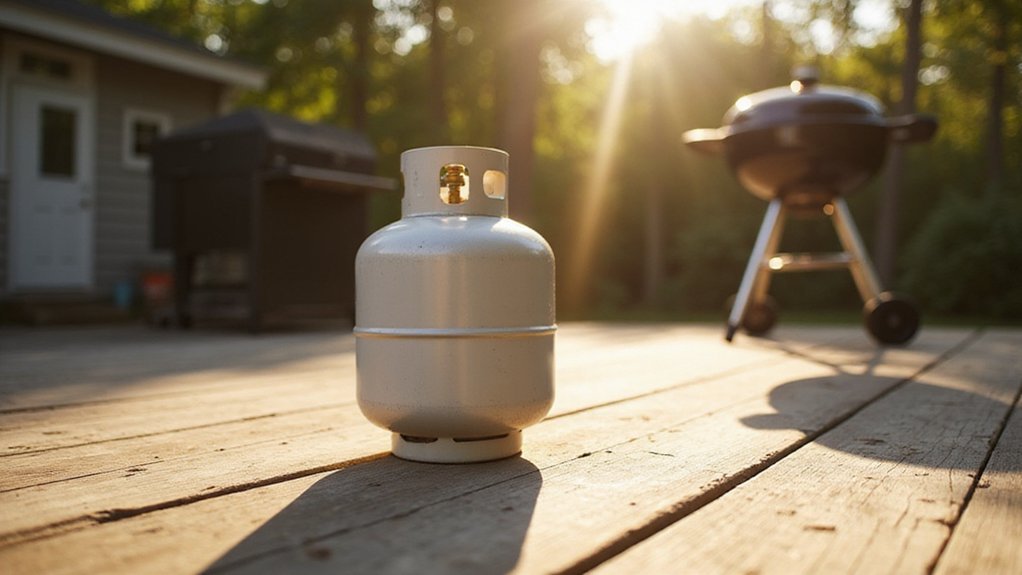
The core difference between propane and wood fire pits starts with the fuel itself. Propane fire pits rely on a portable tank or a permanent gas line, which means you won’t need to store logs or kindling. A typical propane tank can provide over 10 hours of burn time, making it convenient for extended use. In contrast, wood-fueled fire pits require a dry storage space for logs and kindling, adding an extra step before lighting the fire.
Ignition processes differ significantly. With a propane fire pit, you can achieve instant flames with a simple switch or knob, offering quick and easy control. Wood fires take more time and patience to build, requiring you to manually arrange and light the wood, which involves patience and some skill. The process of building a consistent flame requires attention to detail, much like following a detailed guide for a DIY project.
Control over the fire varies, too. Propane allows you to adjust the flame with a single knob, providing precise temperature control. Managing a wood fire, however, involves manually tending to the flames, adding an element of hands-on interaction and unpredictability. Ensuring a proper level base is a critical first step for any permanent installation to guarantee stability and safety.
Finally, smoke emissions are an important consideration. Propane burns cleanly, emitting very little smoke or ash, making it more suitable for nearby seating and health-sensitive environments. Wood fires produce significant smoke and ash, which can be bothersome and require more cleanup. For those sensitive to wood smoke, the clean-burning propane alternative offers benefits similar to those found with infrared sauna use, which is also favored for its clean, controlled environment.
Which Option Gives You More Heat and a Better Atmosphere?
Wood fire pits produce significantly more heat than propane ones, with 80,000 to 100,000 BTUs compared to propane’s 40,000 to 60,000 BTUs. This higher heat output means wood radiates warmth deeper into your space, making it a better choice for colder evenings or larger outdoor areas. The radiant heat from burning wood penetrates more effectively, providing comfort where it’s needed most.
In addition to warmth, wood fire pits create a richer atmosphere. The crackling sound of flames, smoky aroma, and flickering, glowing flames offer an authentic campfire experience that many find more inviting and cozy. Propane fire pits, on the other hand, provide a cleaner and modern aesthetic with instant, smoke-free flames, but their atmosphere tends to feel more decorative than immersive. You can save on costs and customize the design by following a DIY propane fire pit guide for your build. When comparing gas vs. propane directly, propane is generally noted for its portability and easier maintenance. Similarly, the right cover for above ground pool is essential for protecting your investment from the elements and maintaining water quality. If your main goal is to achieve maximum heat combined with a traditional, inviting vibe, a wood fire pit is the preferred choice.
Is Propane or Wood Easier to Use and Maintain?
Propane requires significantly less maintenance than wood. You will only need to perform occasional checks and cleaning, such as inspecting hoses and burners for leaks or debris. Without regular upkeep, your fire pit could develop issues much like a hot tub can quickly become contaminated without chemicals. In contrast, a wood fire pit demands regular ash removal, seasonal inspections for rust or corrosion, and periodic treatments to maintain its condition. With propane, your upkeep time is minimal and straightforward, providing a reliable and consistent operation. You can even safely use your propane fire pit for roasting marshmallows thanks to its clean and controllable flame. Overall, propane offers a much easier and more convenient maintenance routine from ignition to shut down.
How Do Wood and Propane Fire Pits Impact the Environment?
Wood fire pits produce considerably more environmental pollution than propane fire pits. Burning wood releases large amounts of particulate matter (PM2.5) and toxic chemicals that degrade local air quality and pose health risks. They also emit higher levels of greenhouse gases like carbon dioxide, methane, and black carbon, all of which contribute to climate change. In contrast, propane fire pits burn cleaner—producing nearly zero particulate matter and fewer volatile organic compounds. Although propane is still a fossil fuel, its combustion is more efficient, resulting in a smaller carbon footprint per use. Overall, choosing propane fire pits helps improve air quality and reduces the immediate impact on greenhouse gases.
What’s the Real Cost of a Wood or Propane Fire Pit?
The long-term costs of a wood or propane fire pit vary significantly. Propane fire pits generally have lower ongoing expenses, with annual fuel costs between $1 and $2 per use. In contrast, wood fire pits can cost between $300 and $1,000 each year for fuel, depending on usage and fuel prices. While initial installation for both types averages around $850, adding a propane tank and gas line can increase costs by $700 to $3,000, whereas wood pit materials are typically cheaper at $100 to $300. High-end custom fire pits can exceed $20,000 in total costs, influenced by design and materials. Maintenance considerations also differ: wood pits require regular cleanup and storage, adding to labor costs, while propane systems demand less upkeep but may involve higher upfront expenses for equipment and delivery systems. Understanding the propane consumption rate of your appliances is key to forecasting these fuel expenses accurately.
Are Propane or Wood Fire Pits Safer and More Versatile?
Propane fire pits are generally safer than wood-burning ones. They eliminate risks like flying sparks or logs shifting, which can cause accidental fires or burns. Propane units offer instant shut-off features and precise flame control, making them easier to monitor and manage. In contrast, wood pits require manual lighting and handling, increasing the chance of accidental burns during ignition or when adding wood. They also produce smoke and ash, which can be hazardous indoors or on covered patios. Propane’s clean-burning nature reduces particulate emissions, creating healthier air for gatherings and especially benefiting those with respiratory sensitivities. Additionally, propane fire pits are more versatile in design, with contained flames that produce minimal smoke, allowing safe use in various outdoor settings, including areas with fire bans or low ventilation. Their portability and lack of need for wood sourcing make them a practical, safer choice for many users.
How Do Installation and Setup Compare?
Installing and setting up a propane fire pit is generally easier and more convenient than its wood-burning counterpart, but there are notable differences. The initial effort for a propane fire pit involves professional installation of a gas line, which can be a significant expense—sometimes much more than a basic wood pit. This process requires compliance with safety standards and may include trenching or connection to an existing gas source. Following a clear step-by-step guide is crucial for any successful installation or maintenance task, including this one.
In contrast, setting up a wood-burning fire pit is straightforward—simply place it in a suitable location, gather materials like kindling and wood, and manually light the fire. This makes the initial effort minimal but requires ongoing maintenance and tending.
Design-wise, propane units tend to feature sleek, modern controls and ignition buttons, offering quick and easy start-up. Wood pits, on the other hand, embrace a traditional look and involve a hands-on approach, with gathering and arranging wood before igniting. Overall, your choice hinges on whether you prefer instant convenience and modern aesthetics or a more traditional, hands-on experience that feels more authentic and rustic.
How to Choose the Right Fire Pit for Your Needs
Choosing the right size and capacity for your fire pit depends on your typical gathering size. A 24 to 36-inch fire pit comfortably seats 2 to 4 guests, making it ideal for small groups or intimate settings. If you frequently host larger gatherings, a 48-inch or bigger fire pit can accommodate six or more people, creating a more social and lively atmosphere.
For a primary outdoor gathering spot, prioritize fire pits that offer consistent flame control. Propane units excel here because they allow for easy ignition and flame adjustment, providing a reliable and smokeless fire experience. Be sure to check local regulations, especially in urban areas where wood burning may be restricted. CSA-certified propane models often meet safety standards and are more likely to be permitted.
Fuel type should align with your lifestyle and preferences. Wood fires deliver high heat and a rustic, crackling ambiance but generate more smoke and require more maintenance. Propane fires provide instant flames with minimal smoke and fuss, perfect for quick setups and low maintenance. Consider whether you prefer the traditional feel of a wood fire or the convenience of propane.
Portability might be a key factor if you have a small or urban yard. Compact, portable fire pits can be moved easily and stored when not in use, offering flexibility for changing spaces or seasons. Meanwhile, built-in stone or masonry fire pits offer a permanent, aesthetically appealing feature but come at a higher cost and installation effort.
Finally, think about aesthetic options and upkeep. Built-in stone or concrete fire pits are beautiful and durable but involve a significant investment and ongoing maintenance. On the other hand, entry-level propane units tend to be more affordable, easy to operate, and require minimal cleaning, making them a practical choice for low-maintenance enjoyment.