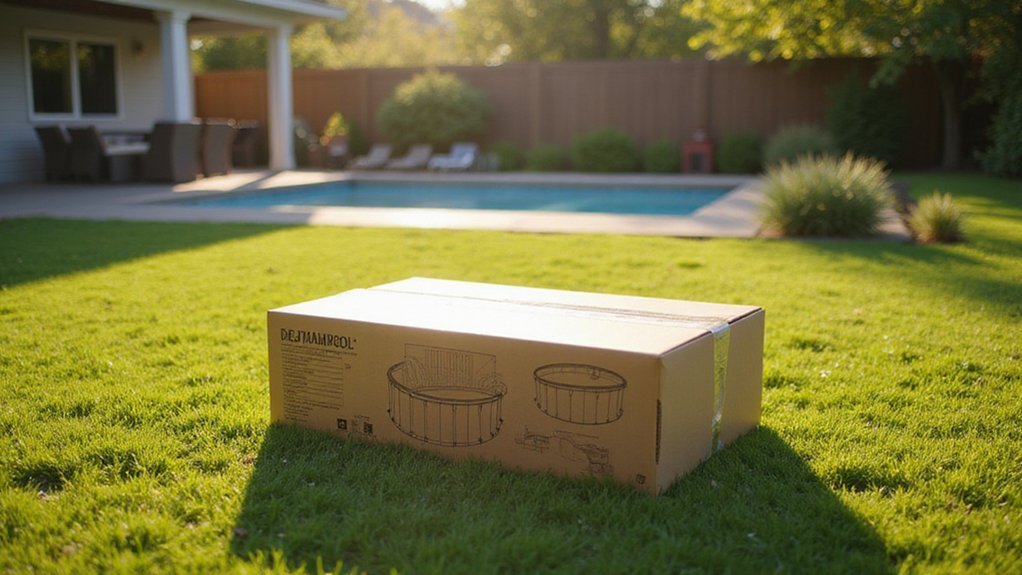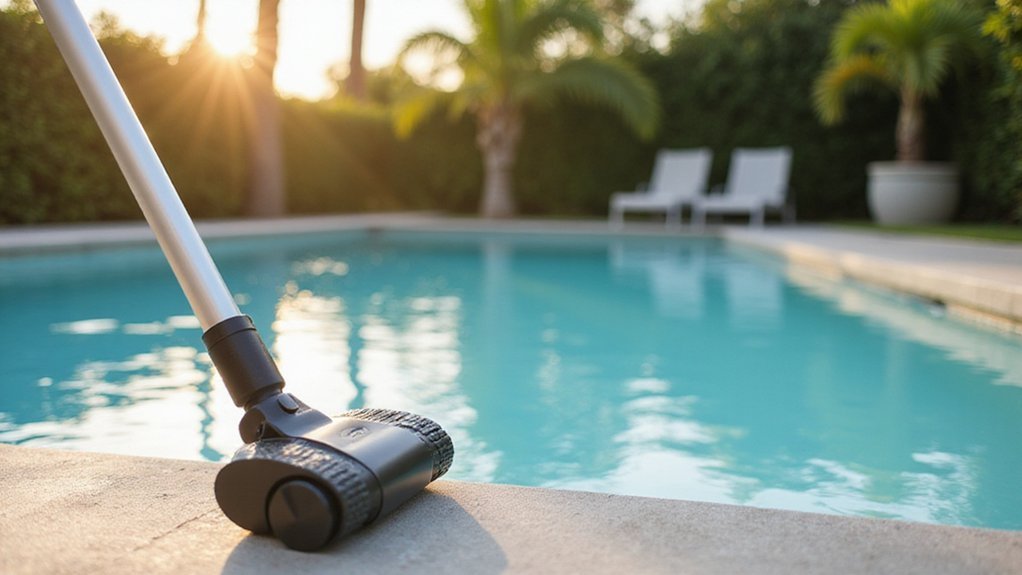
Deciding between a fiberglass or vinyl liner pool is about more than just initial cost. Your choice impacts long-term maintenance, energy use, and overall durability.
Fiberglass pools cost more upfront but generally require less care over time.
Liner pools are cheaper to install but can need frequent liner replacements.
Below, you’ll find the details to help you choose what’s best for your home and budget.
Fiberglass vs. Vinyl Pools: Your Decision Framework
Fiberglass pools are generally more expensive upfront but have a much quicker installation process, often completed within 1 to 3 weeks. Vinyl liner pools usually cost less initially, but their construction takes longer—between 4 and 10 weeks—due to the need for custom excavation and structure assembly. This longer timeline allows for more design flexibility, enabling you to create unique shapes. Fiberglass pools offer a smooth, uniform surface that’s easy to maintain, while vinyl liner seams can harbor algae and require more diligent cleaning. The potential for improved muscle recovery offered by infrared heat is a nice bonus for an after-swim soak. To keep your pool water pristine, you should also follow a consistent cleaning and maintenance schedule for the entire unit. Vinyl liner pools can be customized in appearance, with patterns printed on liners that are replaceable if damaged or outdated. Regardless of your pool type, you’ll need to regularly manage your essential pool chemicals to keep the water safe and clear.
Upfront Cost vs. Long-Term Ownership
Vinyl liner pools generally cost around $25,000 to install, making them the more budget-friendly initial choice. Fiberglass pools start at over $45,000, so their upfront cost is significantly higher. However, when considering long-term ownership, vinyl pools can become more expensive over time. They require liner replacements every 5 to 9 years, which adds thousands of dollars in recurring expenses. Fiberglass pools do not need such replacements, and their non-porous shell reduces chemical use and simplifies seasonal maintenance. For maximum heat retention and chemical savings, many pool owners effectively pair a fiberglass shell with a solar pool blanket. This efficient heat retention is similar to how a solar pool cover works by trapping warmth to reduce heating costs. Over a span of 10 to12 years, the total cost of ownership for a fiberglass pool can often be lower despite the higher initial investment. Choosing durable materials, like a Sunbrella fabric umbrella, can similarly offer better long-term value for outdoor furnishings.
Durability Face-Off: Which Pool Lasts Longer?
Durability Face-Off: Which Pool Lasts Longer?
A fiberglass pool typically lasts between 25 to 50 years, making it a durable choice for homeowners seeking longevity. Its one-piece shell, manufactured with integrated structural reinforcement, resists cracking and structural deterioration over time. The gel coat that finishes the surface usually maintains its appearance for 20 to 30 years, which means less frequent resurfacing or repairs. In contrast, a vinyl pool’s wall structure is strong, but the vinyl liner itself is prone to punctures, tears, and staining, requiring replacement every 5 to 15 years. This means vinyl pools often need more frequent upkeep and liner replacement projects. Considering propane refill costs can be helpful when budgeting for the heating equipment that often accompanies a pool. Overall, fiberglass pools offer a more consistently intact vessel, reducing the likelihood of major repairs and ensuring a longer total lifespan. Having a solid understanding of step-by-step instructions can be just as important for a liner pool’s longevity as the material itself.
Maintenance Compared: Time and Chemical Costs
Maintaining a fiberglass pool is more budget- and time-friendly than caring for a vinyl liner pool. You’ll spend approximately $175 to $200 annually on chemicals for a fiberglass pool, compared to $400 to $450 for a vinyl liner pool. Its non-porous surface resists algae growth, reducing cleaning frequency to once every one or two weeks. In contrast, a porous liner requires weekly scrubbing to keep it clean, and a typical vinyl liner replacement will become necessary every 5 to 9 years. The lower chemical use for fiberglass also helps stabilize water temperature and is gentler on equipment like pool lighting. Over ten years, the total maintenance cost for a fiberglass pool averages around $4,000, while vinyl liner pools can cost between $12,000 and $17,500, even before considering liner replacements. This significant difference saves you both time and money in the long run, and the money you save could even be put towards a fun DIY project like a patio umbrella base or building a DIY propane fire pit.
Energy Efficiency and Ongoing Operating Costs
The energy efficiency of a fiberglass pool significantly reduces your ongoing operating costs. Its superior thermal retention can cut your heating bills by 20 to 30 percent each year. This means you spend less on maintaining comfortable water temperatures without sacrificing performance, much like the principles behind optimizing efficient DIY heater designs. Additionally, fiberglass pools require 30 to 50 percent fewer chemicals, saving you hundreds annually on chemical purchases and decreasing the energy needed for pumping them. Both types have similar chemical requirements, so the significant savings with fiberglass arise from its non-porous surface needing less chemical overall. These savings add up over time, making the average annual operating cost of a fiberglass pool about 400 to 500 dollars less than that of a vinyl liner pool. Your savings are further protected by a durable winter pool cover that minimizes maintenance.
You also benefit from water conservation due to the non-porous shell, which minimizes seepage and evaporation. This reduces the need for frequent refills, saving water and lowering associated costs. For routine cleaning, the smooth surface also makes it easy to use a DIY pool vacuum to maintain spotless water without extra expense. Environmentally friendly features such as reduced chemical runoff and decreased energy for heating not only help protect the environment but also shrink your yearly expenses. Overall, choosing a fiberglass pool provides both financial savings and ecological advantages, making it a smart long-term investment.
Installation, Design, and Customization Compared
Fiberglass shells typically install in 2 to 3 weeks, making their setup process quick and efficient. This shorter timeline minimizes on-site construction impact and reduces environmental disruption. However, your design options are limited to the shapes and sizes offered by the manufacturer’s molds, which can restrict customization for unique yard layouts. A clear water chemistry balance is essential for protecting your pool’s surface regardless of material. Consider your own skill level if planning to add custom features, as DIY pool construction requires specific tools and planning.
Vinyl liner pools require about –
6 to 10 weeks from start to finish. While this process takes longer, it allows for much greater design flexibility, enabling you to create custom shapes or accommodate uneven grounds and complex site contours. The main drawback is that the vinyl liner needs replacement every 5 to 9 years, adding ongoing maintenance to your pool’s lifespan.
In terms of safety, fiberglass pools offer a smooth, slip-resistant surface that enhances stability and comfort. Vinyl pools, on the other hand, have a thin liner that can tear or puncture over time, which could pose safety concerns and necessitate repairs or liner replacements. Site conditions also influence your choice: high water tables can challenge fiberglass installation due to the difficulty of embedding the shell properly, whereas vinyl pools tend to adapt better to sloped or irregular terrains. When performing any pool maintenance, a durable telescopic pool pole is a versatile tool for cleaning and upkeep.