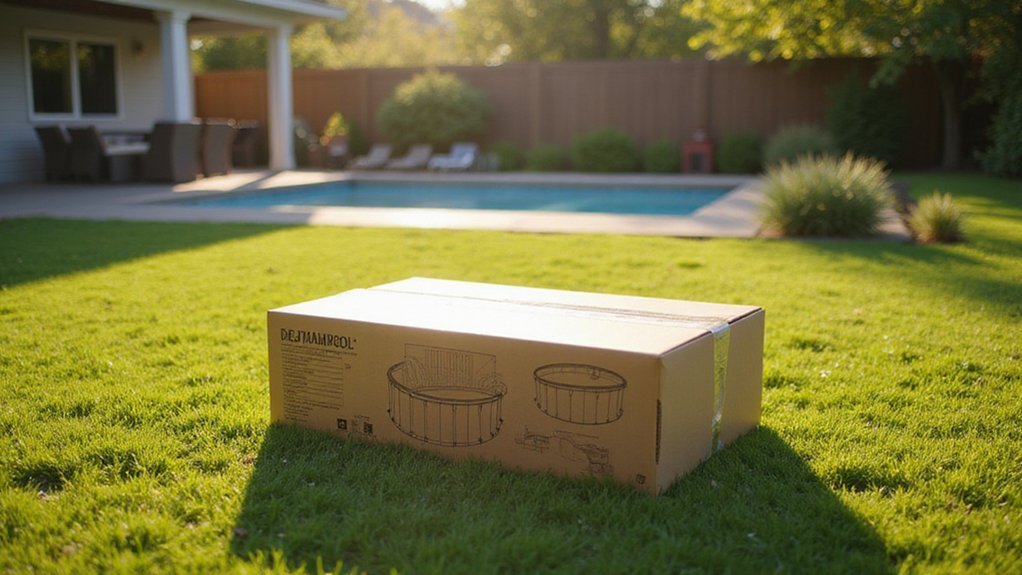
Choosing the right pool liner can feel overwhelming with so many options out there. You want durability, a clean look, and a budget-friendly price, but it’s hard to know which type suits your pool best.
This guide breaks down the main liner styles, highlighting their pros and cons so you can make a confident choice.
Keep reading to find the perfect fit for your pool.
Understanding Pool Liners: Function and Materials Explained
The pool liner’s primary job is to create a waterproof barrier that contains your pool water and shields the structural components from damage. It prevents leaks and guards against the effects of harsh chemicals and abrasion that can degrade the pool’s shell over time. This seamless, non-porous layer simplifies maintenance because it resists algae growth and is easy to clean. Most liners are made from durable PVC or reinforced polymers, offering longevity and resilience. The choice of material directly impacts the liner’s durability and its ability to maintain water quality. The therapeutic properties of heat can also be a consideration for some pool owners, as a warm soak after maintenance can promote muscle recovery and relaxation. When choosing a liner, consider its material sustainability—opt for options made from recyclable materials or designed for extended lifespan to reduce environmental impact and decrease the need for frequent replacements. A well-maintained liner is crucial for efficient water management, including when you need to perform tasks like vacuuming to waste to remove fine debris without clogging the filter system.
The Three Main Types of Above-Ground Pool Liners
The three main types of above-ground pool liners are overlap, beaded, and unibead. Overlap liners are the most budget-friendly—they are secured by placing a coping strip over the top edge of the wall, and they stretch over the pool wall for a secure fit. Beaded liners provide a cleaner, more finished appearance because they have a bead that locks into a track on the wall, offering a neater aesthetic. You can often find a helpful step-by-step plan in DIY resources for other outdoor projects, which illustrates the kind of detailed approach needed for proper liner installation. Unibead liners are the most versatile; they feature a J-hook that allows them to hang like an overlap liner but can be converted to a beaded style by cutting the hook. A durable cover can also protect your liner from sun damage and debris, so consider exploring options for the best pool cover alongside your liner choice. After completing your installation, consider the optimal timing for using your pool for recovery, similar to how one might schedule infrared sauna sessions around a workout. When choosing a liner, ensure you consider your pool’s design and verify that the liner material is compatible with your pool’s chemical levels to prevent deterioration or damage over time.
Pool Liner Thickness and Durability Explained
Thicker pool liners, such as those measuring 27 to 30 mil, generally last longer than thinner options. Thickness is measured in mils—0.001 inch—where 20 mil liners are suitable for moderate use and Fourth of July liners are designed for heavy-duty durability. While increased thickness can improve lifespan, material quality plays a crucial role. Premium vinyl liners often include UV inhibitors and fillers that boost chemical resistance and help maintain vibrant colors over time. It’s also important to check that the liner has ASTM D6737 certification, indicating it has passed tear resistance tests. Beyond thickness, ensure the liner has consistent caliper—uniform thickness throughout prevents weak spots that could cause early failure. Proper water chemistry, especially maintaining a balanced pH, further protects your liner by supporting its innate chemical resistance. Understanding the total installation costs is key when budgeting for a new pool liner. Choosing a durable material is similar to selecting safe heat-resistant materials for a DIY propane fire pit project.
How to Choose Between Overlap, Beaded, and Unibead Liners
Choosing the right attachment method depends on your pool’s setup and your preferences. Overlap liners are best suited for standard above-ground pools without bead tracks. They attach over the pool wall, so trimming excess material is necessary during installation. Beaded liners require a specific receiver track to snap into, making installation faster but limiting compatibility to pools designed for beaded systems. Beaded liners provide a consistent, neat appearance around the entire pool edge. For a smooth installation, it is crucial to have the right tools on hand and follow a step-by-step process. Using a pool cover reel can help manage your liner during installation and future maintenance. Unibead liners offer versatile attachment options, combining features of both overlap and beaded liners, which makes them adaptable to various pool models. Your decision should consider the pool’s existing structure, ease of installation, and compatibility with these different liner types.
Pool Liner Installation: Key Requirements and Common Mistakes
Proper installation of your pool liner is essential for durability and a smooth appearance. Begin with thorough pool cleaning, draining the pool completely and removing all debris from the floor and track. A clean, compacted base provides a stable surface and prevents future problems. Carefully unroll and center the liner in the pool, making sure to verify its correct orientation before proceeding. Temporarily secure the liner in place and use a vacuum behind it to remove trapped air, which helps ensure a tight, wrinkle-free fit, and be sure to have all your necessary tools prepared before starting. Just as in building a DIY sauna, careful planning and correct tool use are crucial for a professional result. Understanding the full project cost, including both materials and tools, is essential for any successful home improvement. Only once the liner is fully seated and smooth should you proceed with trimming around fittings. Trimming too early or during cold weather can cause the vinyl to tear or not fit properly, so patience at this stage is key to a successful installation.
How to Extend Your Pool Liner’s Life
Finally, manage your water level carefully. Always keep the water level at about halfway up the skimmer opening. This prevents the liner from drying out under the sun and minimizes stress caused by fluctuating water levels. Never drain your pool completely, as doing so can cause the liner to shrink or crack, especially when the water is refilled. Periodically inspect for a slow leak which can also cause a drop in water level and stress the liner. The key is to eliminate wrinkles and ensure a smooth fit, which can be aided by using a shop vac to suck out the air between the liner and the pool wall during installation. Just as understanding propane tank runtime helps with planning fuel usage, knowing your pool’s evaporation rate helps you distinguish normal water loss from a problem. Regularly check and maintain the proper water height to extend your liner’ s lifespan and keep your pool in top condition.
Specialized Above-Ground Liners: Expandable and Safety Options
Specialized above-ground liners, such as expandable and safety options, improve your swimming experience by offering increased depth and enhanced durability. An expandable liner contains extra sidewall material that allows for a deeper center, making it easier to float and wade. It’s suitable for round or oval pools up to 72 inches deep and requires a hand-dug hopper and a gradual slope for installation. The additional material reduces stress on the liner, decreasing the chance of tearing over time. Safety liners, on the other hand, focus on durability and safety features. They often have reinforced edges and thicker vinyl that resist UV damage, providing a more secure environment and longer lifespan. To keep the pool floor perfectly clean before a swim, selecting the best cordless pool vacuum can complement these durable liners. For evening swims, you’ll appreciate the enhanced ambiance created by the right patio umbrella lights. Together, these liners create a more permanent-feeling pool while maintaining the affordability of above-ground models. This durability is especially important for maintaining your top pool vacuum hoses, which perform best on a smooth, intact liner surface.
Putting It All Together: A Side-by-Side Liner Comparison
Overlap liners are the easiest to install because they simply rest over the pool’s top edge, but they leave visible edges that can detract from a clean look. Beaded liners, on the other hand, require a beaded track for hanging, resulting in a smooth, finished appearance that many find more attractive. J-hook liners combine features of both—using J-shaped hooks for easier hanging while offering a clean, seamless look, though they are now largely discontinued in favor of more versatile options.
Your choice influences your waterline design, as some liners provide more precise edge control for a sharper appearance and better customization options. Additionally, liner color options vary, with beaded and J-hook types often offering a broader selection for matching your pool’s aesthetic. Durability depends largely on thickness: a P25 liner offers more resilience than a P20 and is recommended for longer-lasting performance. For a cleaner and more secure installation, many modern pools benefit from the versatile Uni bead design.
In terms of longevity, beaded and J-hook liners typically last 10 to 12 years with proper care, outperforming overlap types which often need replacement sooner. Cost also varies; overlaps are generally the most affordable option upfront, while beaded or J-hook liners tend to cost more initially but deliver longer service life. This balance of ease, appearance, durability, and cost can help you determine the best liner for your pool. Just like a well-made DIY outdoor ottoman, the right pool liner requires careful selection of materials and method for a durable and attractive result.