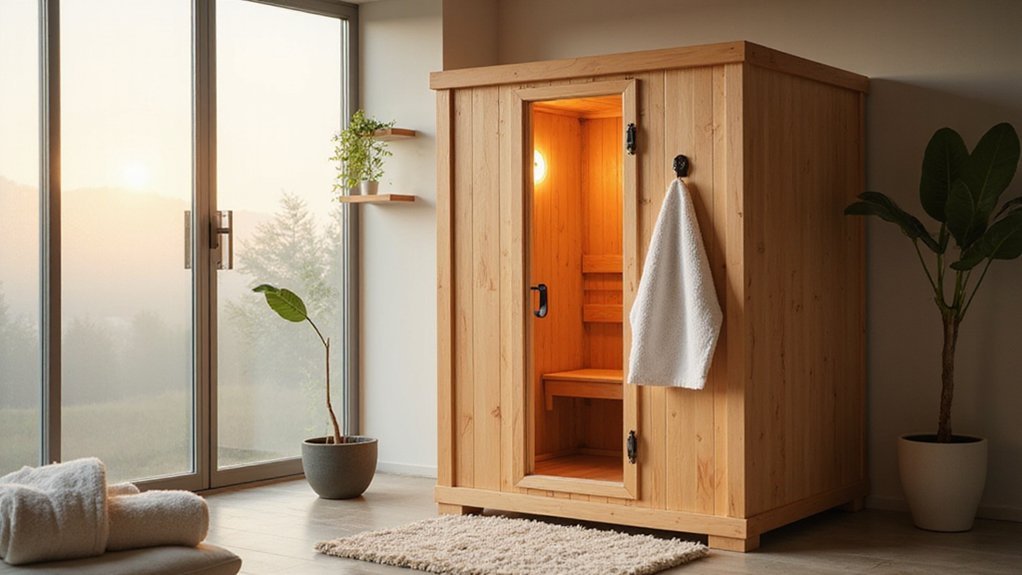
Wondering whether a sauna or a steam shower is better for your wellness routine? The choice largely depends on your health goals and preferences.
A steam shower offers humid heat that helps with respiratory comfort and skin hydration.
While a sauna provides dry heat that supports cardiovascular health and muscle recovery.
Keep reading to find out which option suits your lifestyle best.
How Steam Showers And Saunas Work Differently
Steam showers and saunas operate using fundamentally different heating systems, which lead to distinct environments. A steam generator heats water externally and introduces steam into a sealed room, creating a humid, wet heat. On the other hand, a traditional sauna uses an electric or wood-fired stove to directly warm the air, resulting in dry heat. An infrared sauna uses radiant heat panels to warm the body directly without significantly heating the air, providing a unique experience with distinct benefits. The heating method is central to their differences: steam showers function best at temperatures between 90°F and fifth20°F with high humidity, while saunas typically operate at 160°F to 220°F with dry air. Their construction also differs; a steam room requires a fully sealed, waterproof enclosure to contain the moisture, whereas a sauna is built as a wooden room designed to contain hot air without moisture issues. When choosing between them, consider ongoing maintenance costs as a key factor, as steam rooms typically require more frequent and specialized upkeep to prevent mold and mineral buildup. Before installing any home wellness feature, reviewing step-by-step instructions for similar projects can help ensure a proper and lasting installation.
Steam Is Better For Respiratory Relief And Skin Health
Steam showers provide high humidity levels that benefit both your respiratory system and skin. The moist heat helps hydrate and thin mucus, making it easier to clear from your airways. This can relieve congestion, reduce nasal inflammation, and temporarily ease sinus pressure. For your skin, the humid environment opens pores and boosts blood circulation, which enhances hydration and promotes collagen production. These effects can result in a healthier glow and improved skin texture. You can also add essential oils to your steam to create aromatherapy benefits, potentially soothing your airways further. Keep in mind, while steam can offer comfort and support for respiratory and skin health, it’s not a medical treatment but a calming addition to your self-care routine. Always research proper pool chemical disposal for any chlorine or treatment products used to maintain your steam shower’s water quality.
Sauna Use Offers Stronger Cardiovascular Benefits
Saunas offer significant cardiovascular benefits through regular exposure to dry heat. When you sit in a sauna, the high temperatures cause your body to regulate its temperature rapidly, leading to responses similar to moderate exercise. Your heart rate can increase by 50 to 80 percent, boosting circulation without physical movement. Achieving the best results from any routine, whether for your heart or cleaning your pool, requires the right technique and consistency. Just as a step-by-step plan is crucial for a successful DIY project, following a consistent sauna protocol is key to reaping health benefits, much like understanding propane tank lifespan is crucial for planning a project’s fuel needs.
Consistent use—specifically four to seven times a week—can lower your risk of fatal cardiovascular disease by nearly half. This frequency helps improve blood pressure, reduce arterial stiffness, and enhance mitochondrial function. The key is regularity, as multiple sessions each week have a greater impact than single, infrequent visits. Incorporating sauna sessions into your routine builds a stronger, more resilient heart and lowers your chances of stroke, hypertension, and overall mortality.
Which Is More Effective For Muscle Recovery And Pain?
The dry heat of a sauna is generally more effective for long-term muscle recovery than the moist heat of a steam shower. Its penetrating heat helps reduce inflammation more deeply, easing muscle fatigue over time. Saunas also promote the production of heat shock proteins, which accelerate tissue repair and recovery. While steam showers may provide quicker relief from immediate joint stiffness, research indicates that sauna sessions are better at reducing delayed onset muscle soreness after repeated use. Both options increase circulation, so staying well-hydrated is essential to support blood flow, nutrient delivery, and waste removal. For reference, maintaining proper hydration for the process is similar to tracking fuel levels, like knowing a standard 20 lb propane tank holds about 4.7 gallons. Just as you’d follow a step-by-step guide for a successful installation, prioritize hydration strategies to optimize the recovery benefits of either heat therapy. Monitoring your session duration is key, as a 20 lb propane tank provides roughly 10 hours of heat output on a typical patio heater.
Steam Vs. Sauna Safety: Key Risk Factors
Managing risks is essential for your safety when using a sauna or steam room. Overheating and dehydration are immediate concerns; you lose fluids quickly, so hydrate before, during, and after your session. Keep an eye on your temperature regulation by limiting sessions to 15 minutes and leaving immediately if you feel dizzy or nauseous. Cardiovascular strain is a significant risk, especially if you have a history of heart problems or high blood pressure. Pregnant women should avoid heat exposure altogether. Never consume alcohol before a session, as it increases dehydration and impairs judgment. The high heat and humidity also impact the environment; shower before entry and sit on a towel to maintain hygiene. Always cool down gradually after your session to prevent sudden drops in blood pressure or fatigue. Regular equipment maintenance is also crucial to ensure the heating and steam systems operate safely and efficiently.
Steam Shower And Sauna Installation: Space And Cost
Installing a steam shower generally requires a minimum space of 3 by 3 feet with a height of at least 7 feet. This ensures enough room for the enclosure, the steam generator, and proper ventilation. Non-porous materials like tile or glass are essential to prevent water damage and mold growth.
In contrast, a traditional sauna needs a space that offers about 105 cubic feet per person. For example, a typical two-person sauna might measure approximately 4 by 6 feet with a ceiling height of 7 feet. Saunas also require specific ceiling designs, often peaked or barrel-shaped, to facilitate proper heat circulation and comfort. Just as with selecting the right furniture, choosing the right option depends on your specific needs and space. It’s worth noting that while both types heat the body, the infrared sauna experience promotes sweating at a lower ambient temperature.
Cost-wise, steam shower projects usually fall between $2,800 and $6,200, covering the enclosure, steam generator, and necessary plumbing and electrical work. Custom indoor saunas tend to cost more, generally between $5,000 and $15,000, depending on materials, size, and features.
Both options demand a dedicated footprint in your bathroom or home, along with a substantial financial investment. Your choice should consider available space, budget, and the operational requirements of each option, similar to selecting the right pool vacuum hose for an efficient cleaning system. The best patio dining sets also require careful consideration of dimensions and budget to fit your outdoor area perfectly.
Choosing Between A Steam Shower And Sauna For Your Goals
Both steam showers and saunas offer unique health benefits, but the best choice depends on your specific goals. If you prioritize respiratory relief, skin hydration, or alleviating joint pain, a steam shower is more suitable because of its moist environment at lower temperatures. Steam penetrates tissues more deeply, helping clear congestion and moisturize the skin effectively.
On the other hand, if your focus is on muscle relaxation, improving cardiovascular health, or enjoying higher-temperature dry heat, a sauna is preferable. Saunas operate at significantly higher temperatures, usually between 70 to 100 degrees Celsius (158 to 212 degrees Fahrenheit), promoting deep muscle relaxation and sweating that benefits heart health over time.
Aesthetic and design aspects also influence your choice. A steam generator typically integrates into a shower space, providing the moistness you need without changing the room’s structure. Traditional saunas often feature wooden paneling and a more cultural ambiance, which might influence your visual preferences and the overall feel of your wellness area.
Ultimately, your decision hinges on whether you favor moist heat at lower temperatures or dry, high-heat environments. Your comfort with humidity levels and your health objectives—such as respiratory support or muscle relaxation—should guide your choice.
Can You Combine Sauna And Steam Shower Sessions?
Combining sauna and steam shower sessions can provide a comprehensive range of health benefits by utilizing both dry and moist heat. Start with a 10 to 15-minute dry sauna session to promote circulation and muscle relaxation. After cooling down, move into the steam shower for a similar duration to hydrate your skin and ease congestion. Repeat this cycle two to three times, but ensure the total heat exposure stays under 45 minutes to prevent overstressing your body. These combined sessions make efficient use of a single space for both therapies, enhancing energy savings. Additionally, incorporating both functions can add a spa-like luxury to your home environment, contributing positively to your physical and mental well-being with regular use.
Decision Guide: Steam Vs. Sauna Comparison Chart
If you’re choosing between a steam shower and a sauna, a steam shower generally suits smaller bathrooms and offers more cost-effective installation and maintenance. Steam units typically require less space—about 3 to 4 square feet—and can often be integrated into existing shower enclosures. In contrast, traditional saunas need dedicated rooms, usually ranging from 4 to 8 feet in width and depth, with proper venting and insulation, making them a larger, more permanent addition.
Steam showers provide moist heat that is excellent for respiratory relief and skin hydration. The warm, humid environment can help clear nasal congestion and soothe dry skin, especially when combined with aromatherapy features like essential oil diffusers or mood-enhancing lighting options.
Saunas, on the other hand, deliver dry heat that is better suited for cardiovascular training and intense detoxification through sweating. They often operate at higher temperatures, around 150 to 195 degrees Fahrenheit, and encourage longer sessions for sweating and relaxation.
Price-wise, steam units tend to cost more initially because of the need for a dedicated generator and waterproofing, but they usually have lower ongoing maintenance costs. Saunas generally involve a bigger upfront investment in construction, but once installed, they require less frequent upkeep.
Your final choice should align with your primary health goals, available space, and budget. Consider whether you prefer the humid environment with additional amenities like lighting and aromatherapy, or the simpler, focused environment of a sauna.