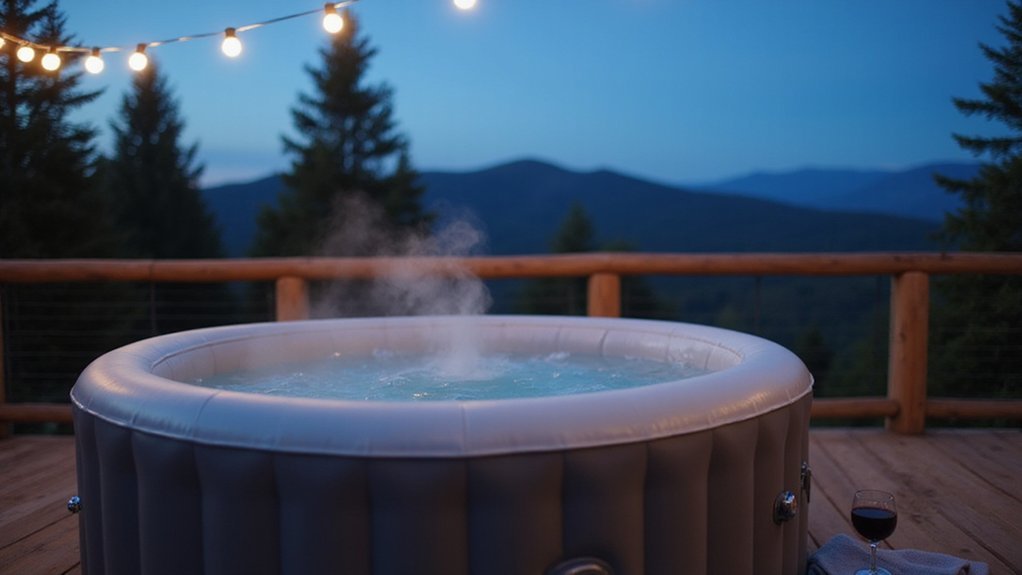
Keeping your portable sauna clean is key to making it last and stay fresh. Regular maintenance prevents sweat and moisture from causing mold or unpleasant odors, saving you money and hassle in the long run.
With simple steps, you can keep your sauna in top shape and ready for your next relaxing session. Here’s how to do it the right way.
Why Daily Wipe-Downs Are the Best Thing You Can Do for Your Portable Sauna
Daily wipe-downs are the most effective way to maintain your portable sauna. They prevent sweat and condensation from soaking into the wood or fabric, which helps avoid odor, discoloration, and premature wear. Use microfiber cloths or dry towels to lift moisture and residue—these materials are gentle and won’t damage the surfaces. Always wipe from top to bottom to prevent drips from recontaminating lower areas. Make this wipe-down routine part of your post-session sanitation process. This habit also preserves the infrared heat benefits by keeping surfaces free of residue that can interfere with heat absorption. Just as mastering correct pronunciation prevents miscommunication, consistent drying preserves your sauna’s materials. Cleaning with a mild soap solution occasionally can help remove stubborn buildup without harming the wood.
Focus extra attention on benches, footrests, handrails, and backrests, where skin contact is frequent. Don’t overlook the floor mats and accessories, as these absorb sweat and can develop odors if ignored. Only wipe when the sauna is cool; applying water or cleaners on hot surfaces can be unsafe. After cleaning, leave the door or ventilation open so it can air-dry completely. Establishing this simple daily habit protects your sauna’s finish and minimizes the need for harsh cleaners over time.
What You Need for a Deep Clean (and How Often to Do One)
Your deep clean supplies should include gloves, a mild cleaner, microfiber cloths, and a soft brush for scrubbing benches, walls, and handrails. White vinegar mixed with water in a spray bottle is effective for stubborn spots. Have towels on hand to dry everything completely afterward. Before starting, power off and allow the sauna to cool. Focus on frequently touched areas, scrubbing gently but thoroughly. Rinse all surfaces well to remove residue, then leave the sauna open until it is completely dry to prevent mold growth. Just as pool maintenance requires balanced water chemistry, your sauna’s longevity depends on thorough drying and cleaning after each use. For additional savings, you can apply the same principle of assembling your own components used in a DIY propane fire pit to build a custom sauna cleaning kit from household items.
The Only Cleaning Solutions That Are Safe for Portable Sauna Materials
The safest cleaning solutions for your portable sauna include warm water with a microfiber cloth, diluted white vinegar, and a mild, fragrance-free dish soap. For routine cleaning and light soil, warm water and a microfiber cloth are enough; they remove sweat residue without leaving any chemical traces. For tougher grime or sweat buildup, mix one part white vinegar with three parts water; it effectively eliminates mildew and mild stains without harsh chemicals, but you should dry the surface thoroughly afterward to prevent lingering smell. If you use the sauna after a red light therapy session, timing considerations that avoid cleaning immediately afterward can help protect the material from heat and moisture stress. Using natural all-purpose cleaners like Method or Meyers is also effective and avoids harsh chemicals that could damage the tent material. To locate any potential damage, you can use a step-by-step guide to identify small leaks in the sauna’s liner. For those comparing products, reviewing top infrared saunas can help ensure your cleaning routine matches the specific material requirements of your model.
For heavier stains, a small amount of mild dish soap diluted in water is suitable. Use it sparingly and rinse completely to prevent residue that could affect the sauna material or become sticky over time. Avoid scented cleaning products, bleach-based cleaners, window sprays, and strong detergents, as these can damage sauna materials or emit toxic fumes. Baking soda can be used for spot treatments—sprinkle it on stubborn stains and wipe away fully to avoid residues that could cause discoloration or damage.
How to Clean a Steam Generator and Water Reservoir the Right Way
To clean your steam generator and water reservoir correctly, start by unplugging the unit and letting it cool for at least 12 hours. This prevents electrical shock and burns during cleaning. Then, drain any remaining water from the reservoir to inhibit bacteria growth. The recommended frequency for regular decalcifying ensures optimal performance of the steam generator. For mineral buildup in the steam chamber, use a descaling solution made of equal parts white vinegar and water. Allow this mixture to sit for 10 to 20 minutes to dissolve deposits.
Next, gently wipe the reservoir’s interior and its intake and outlet areas with a soft sponge or microfiber cloth. Avoid scraping or abrasive materials that could damage components. If stubborn deposits remain, repeat the soaking process. After descaling, thoroughly rinse the chamber with plain water to remove all vinegar traces. Finally, dry all parts completely with a clean cloth. Regular cleaning like this keeps scale from forming, ensuring your sauna remains efficient and prolonging its lifespan.
How to Dry and Store Your Portable Sauna Without Damage
After completing your sauna session, ensure you air-dry the entire unit completely before folding or storing it. Open all flaps, windows, and vents to maximize air circulation, and use a portable fan if necessary to speed up the drying process. Wipe down every surface, including walls, benches, seams, and corners, with a microfiber cloth to remove residual moisture. Remove any mats or liners and dry them separately. Make sure every last bit of dampness is gone because trapped moisture can cause mold, mildew, and material damage over time. To prevent algae growth, you should also treat any standing water with pool shock before disposing of it. Ensure that any used propane tank is taken to a certified recycling center for safe disposal. For those constructing a custom unit, consider researching a DIY sauna heater to maintain consistent dry heat during your sessions.
Once the sauna is thoroughly dry, fold it carefully without forcing it into a compact shape that could cause tears or deformation. Inspect fabric, zippers, and poles for any signs of wear or weak spots before storing. Keep your sauna in a cool, dry environment, away from direct sunlight and off the floor to prevent moisture buildup and material deterioration. Use a weatherproof bag or cover to protect it from dust, pests, and accidental spills. Proper storage not only prolongs the life of your sauna but also maintains indoor air quality and readiness for your next session. Store accessories separately to prevent unnecessary pressure or damage to soft materials.
Stop Mold, Mildew, and Odors Before They Start
Controlling humidity and keeping surfaces clean are key to preventing mold, mildew, and odors in your sauna. Use humidity sensors to monitor moisture levels, aiming for a 40–60% relative humidity range. After each session, leave the door or vents open to promote airflow, and employ a small fan or dehumidifier if necessary to maintain optimal conditions. Applying mold resistant paints on interior surfaces provides an extra layer of protection against moisture buildup. Wipe down benches and walls after each use with a mild cleaner, such as a mixture of one part vinegar to three parts warm water. Remove damp towels and textiles immediately; never leave them inside the sauna. To combat lingering smells, place baking soda inside as an odor absorber. Regular light cleaning two to three times weekly and deep cleaning every one to two weeks help prevent mold and odors from developing.
Inspect Your Portable Sauna for Wear or Stains Every Week
Inspect your portable sauna weekly for wear or stains. Before your scan, remove all accessories so hidden spots are visible. Use a flashlight to check corners and under floor pieces where stains might hide. Look carefully for water marks, sweat stains, or dust near zippers and along edges of the heating panels. Confirm the interior feels completely dry to the touch; trapped moisture can accelerate cosmetic damage. If you notice any new wear or stains, record it immediately so you can target it with a cleaning solution before it spreads further. For saunas with a heating element that uses chemicals, follow a logical chemical order to avoid dangerous reactions during cleaning. Even when chemicals appear balanced, hidden contaminants can still cause residual cloudiness that requires deep cleaning. Regular maintenance can affect how long a propane tank lasts, which is essential if your portable sauna uses one for heating. Consistent cleaning and venting help preserve the sauna’s operational lifespan and appearance.