Wondering whether to do red light therapy before or after your sauna? The answer depends on your goals and how your skin reacts to heat and light.
Doing it before the sauna can help keep your skin clean and allow the light to penetrate more effectively without sweat interference.
In contrast, using the sauna first may boost muscle recovery, but it’s best to cool down before red light therapy.
Keep reading to discover the routines that suit your needs and how to get the most out of each session.
Red Light Therapy Before or After Sauna?
It’s generally recommended to do red light therapy before a sauna. Starting with red light ensures your skin is clean and dry, which allows for better light penetration and more consistent dosing. This order also prevents heat fatigue from cutting your session short, as the light therapy remains non-thermal. Additionally, doing red light first avoids any issues with sweat interfering with product performance or penetration. While the sauna provides heat stress, a DIY propane fire pit can similarly serve as an outdoor heat source for relaxation. A propane tank typically lasts a specific number of hours depending on its size, which is useful for planning longer outdoor sessions. Begin with 5–15 minutes of red light and then proceed to the sauna. This sequence preserves the non-thermal benefits of the light therapy before adding the heat stress of the sauna. Following this order can also help you fully enjoy the detoxification and relaxation that saunas provide. If you prefer to do sauna first, a cool-down period of 10–15 minutes is necessary before red light to prevent overheating. However, this extra step may lead to reduced session effectiveness if you’re already tired. For a straightforward, effective routine, doing red light therapy before your sauna is the best approach.
What Sauna and Red Light Actually Do to Your Body
Sauna therapy primarily affects your cardiovascular system by increasing your heart rate and promoting heavy sweating. This rapid fluid loss is mostly water, so the scale may show a temporary drop, but it doesn’t reflect fat loss. Regular sessions can help ease muscle soreness and improve joint mobility, though they won’t directly lead to muscle growth. Sauna use also lowers cardiovascular risk and stress hormones, supporting overall heart health. Just remember to stay well-hydrated after each session. Top steam sauna features also enhance these benefits by ensuring consistent heat distribution and humidity control for maximum relaxation. For those seeking a chemical-free maintenance routine, proper water care is essential to keep the tub clean and safe without harsh additives. If the water chemistry is off, a green pool after shocking can occur, requiring specific diagnostic steps to rebalance the system.
Red light therapy works quite differently by delivering specific wavelengths of light directly to your cells. This stimulates mitochondrial activity—the energy powerhouse of your cells—enhancing cellular repair and reducing inflammation. As a result, red light therapy can support muscle recovery and growth, making it a useful addition to resistance training. It may also boost metabolic flexibility, especially when combined with practices like intermittent fasting. While sauna boosts cardiovascular health through heat and sweating, red light therapy targets cellular functions to promote healing and energy production. Both methods offer distinct benefits without overlapping significantly.
Sauna First: Why It’s Best for Recovery
Sauna should be performed first in your recovery routine. The reason is that sauna heat directly promotes muscle relaxation and improves circulation, providing the initial stimulus needed for recovery after your workout. Ideally, you want to step into the sauna within 30 to 90 minutes post-exercise, when your tissues are most receptive to heat’s anti-inflammatory and relaxing effects. A session lasting 15 to 20 minutes at a temperature of 43 to 60°C is effective for reducing soreness and preparing your body for subsequent recovery steps. Unlike traditional steam saunas, infrared models use direct radiant heat and generally should not have steam added, as this can damage their electrical components. Following a quick cool-down of 10 to 15 minutes, you can then transition to red light therapy. This sequence helps maintain elevated blood flow, ensuring the light penetrates deeper tissues and supports cellular repair. Combining sauna and red light in this order maximizes recovery benefits while minimizing systemic stress, with heat doing the heavy lifting and light therapy finishing the process without overtaxing your body. Stepping into the sauna within 30 to 90 minutes post-exercise ensures your tissues are most receptive to heat’s anti-inflammatory effects. If your sauna is malfunctioning, knowing how to safely replace the skimmer is an essential maintenance skill for above ground pool owners.
Red Light First: Better for Skin and Dosing Control
Starting with red light therapy before using a sauna gives you better control over your skin outcomes and dosing. Since red light doesn’t produce heat, doing it first keeps your session under thermoneutral conditions. This prevents sauna-induced vasodilation, which could alter how the light penetrates your skin. As a result, you can position your device more accurately and maintain a consistent session duration of 10 to 20 minutes without heat fatigue cutting your session short. For best results, ensure your device is properly positioned, much like following the inflation guidelines for a Saluspa hot tub to avoid setup errors.
Separating red light therapy from heat stress preserves its non-thermal photochemical signaling, allowing you to evaluate skin results independently. This clear distinction makes it easier to adjust your routine over time. For skin-focused goals, starting with the gentler red light modality and then moving to the sauna ensures you get the full benefit of each without interference. Since direct research on sequencing is limited, sticking to a consistent order—red light first—helps you ensure you don’t skip or reduce your light exposure.
How to Sequence Them: Timing, Cool-Down, and Hydration Rules
To maximize benefits, follow a sequence of sauna, cool-down, and red light therapy with specific timing, cool-down, and hydration rules. After a 15–20 minute sauna session, take a 10–15 minute cool-down to let your core temperature settle before starting the light therapy. This gradual cool-down reduces the risk of overheating and helps preserve mental clarity during your red light session. Hydrate during the cool-down, sipping water to replenish lost fluids, then rehydrate thoroughly afterward. As with any equipment that stores compressed materials, always follow safe disposal guidelines to avoid hazards. For optimal results, consider using a top rated above ground pool with a filter pump for convenient post-therapy cooling. A practical sequence is: sauna for 15–20 minutes, cool down for 10–15 minutes, hydrate, then engage in 10–15 minutes of red light therapy. This order leaves you feeling calmer, enhances your workout preparation, or deepens your relaxation. If dizziness or fatigue occur after the sauna, consider spacing out the sessions. Keep the process smooth: cool down, hydrate, and then proceed to light therapy.
Deciding Your Order Based on Heat Tolerance and Skin Sensitivity
If you’re deciding on the order of red light therapy and sauna sessions, your heat tolerance and skin sensitivity are the main factors. If you tolerate heat well, doing the sauna first is best—you can complete the session before adding red light. For those who are heat-sensitive, starting with red light keeps you comfortable, allowing you to finish the light therapy before your body heats up from sweating. Skin-sensitive individuals should also choose red light first, since cooler, drier skin feels less irritated than after heavy sweating. Your hydration level matters too: sauna increases dehydration risk, which can make discomfort worse. Using calming music or gentle lighting can help you relax during either sequence, but they won’t change which order is most suitable for you. Keep in mind that standard red light panels are not designed to be used inside the sauna, so place them outside the heat environment. Similarly, just as you would shock a green pool to restore clarity, properly sequencing your sauna and red light therapy can enhance your body’s recovery. For best results, treat the process like adding pool chemicals to ensure each step supports the next without causing imbalance or irritation. Understanding propane tank capacity helps you plan how long you can heat your sauna between refills.
Sample Routines for Recovery, Skin, and General Wellness
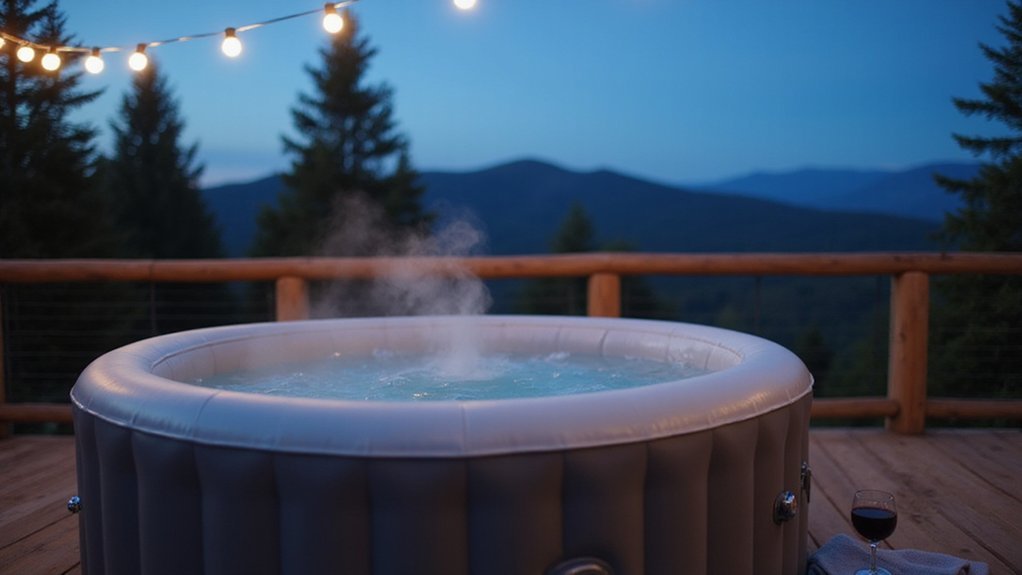
For recovery, sauna-first sequencing typically involves 15 to 20 minutes in the sauna, followed by a 10 to 15 minute cool-down period, then 10 to 15 minutes of red light therapy. This order aligns with traditional Nordic practices where heat is used before restorative light sessions. Be sure to rehydrate and rest afterward to support your body’s recovery process. For those using chemical treatments in their hot tub, remember that chlorine tablets require careful dissolution and pH balance to avoid skin irritation. Inflatable hot tubs offer lower upfront costs compared to permanent models, making them accessible for home recovery setups. For the best results, ensure your hot tub heater is properly sized to maintain consistent water temperature during your entire session.
For skin health, start with red light therapy at a distance of 6 to 12 inches for 10 to 15 minutes before entering the sauna. Keeping your skin dry during the session ensures consistent dosage and absorption. This approach is recommended by modern photobiomodulation research. Use eye protection near your face to safeguard your eyes from exposure.
For general wellness, the sequence is flexible. Whether you do sauna first then red light or vice versa, consistency matters more than order. Finish each session with ample hydration and relaxation to maximize overall benefits.