Thinking about using a propane heater in your garage? It’s possible, but only if you pick the right type designed for indoor use. Proper safety measures, like good ventilation and a carbon monoxide alarm, are essential to keep you safe while staying warm.
Keep reading for all the crucial tips to do it right.
What Does ‘Indoor-Rated’ Mean for a Propane Heater?
When a propane heater is labeled “indoor-rated,” it means it has received specific certification for use inside enclosed spaces like garages or workshops. This certification, often from safety agencies such as UL, is a legal standard, not just marketing speak. You need to look for the physical UL mark on the unit to confirm it complies with safety requirements. These heaters are designed to burn fuel efficiently and are equipped with safety features like an oxygen depletion sensor (ODS), which automatically shuts off the heater if oxygen levels become too low. Proper use of this certified equipment parallels the real-world use of other wellness devices, where following specific safety protocols is essential for achieving benefits.
Even though they are approved for indoor use, ventilation remains essential. You cannot operate these heaters in a completely sealed room because they still consume oxygen and produce combustion gases. To ensure safe operation, you must maintain a supply of fresh air and allow proper airflow by providing openings or vents. This safety measure balances the need to keep the space warm with the necessity of atmosphere management, preventing dangerous buildup of carbon monoxide or oxygen depletion. Following a solid step-by-step plan for installation and operation, similar to building a fire feature, is key to both safety and efficiency. Just as with selecting an above ground pool cover, choosing the right heater for your space involves evaluating specific features and intended use conditions.
Why Carbon Monoxide Is Your Gravest Garage Danger
Carbon monoxide (CO) poses a serious danger in your garage because it is an odorless, colorless gas that can build up quickly without detection. This gas is produced by common sources such as idling vehicles, generators, and space heaters. Since CO binds more strongly to hemoglobin than oxygen does, it rapidly saturates your bloodstream, depriving your brain and heart of essential oxygen. Without proper ventilation, CO can accumulate to lethal levels before you even notice symptoms like dizziness or confusion. Good airflow is critical not only for temperature regulation but also for preventing dangerous concentrations of this silent killer from reaching your living space. When planning a project, it’s wise to consider the lifespan of equipment to assess long-term safety risks and maintenance needs.
Your Must-Have Safety Gear: CO Alarms and Oxygen Sensors
To ensure your safety, you need both carbon monoxide (CO) alarms and oxygen depletion sensors (ODS) when using a propane heater in your garage. Install UL 2034-certified CO alarms within 10 feet of your heater and on every level of your home. Test these alarms weekly and replace them every five to seven years to maintain reliability. A consistent cleaning and maintenance schedule helps ensure all safety devices function properly when you need them. An oxygen depletion sensor is built into many heaters; it automatically shuts off the unit if oxygen levels drop too low. Both systems are essential for proper safety—CO alarms detect dangerous gas buildup, while ODS prevents oxygen deprivation. Sufficient ventilation is explicitly required by the heater manufacturer to prevent critically low oxygen levels. You should perform a thorough visual inspection for any potential hazards before each use. Confirm that your alarms display proper certification and that your heater is equipped with a functioning ODS. Using both provides comprehensive protection and peace of mind while operating a propane heater. This systematic approach is similar to finding a leak using a methodical process for safety and success.
How to Ventilate Your Garage for Safe Heater Use
To ensure safe propane heater use in your garage, you need to provide adequate ventilation based on your heater’s BTU output and the space size. The general guideline is one square inch of ventilation for every 1,000 BTUs of heater power. For example, if your heater is rated at 20,000 BTUs, you should aim for approximately 20 square inches of ventilation opening. This can be achieved by opening doors or windows to create cross-ventilation or by installing a mechanical exhaust fan sized appropriately for your heater. Place the fan near the heater to immediately remove harmful carbon monoxide from the space. Having the right tools for the job, like a measuring tape and appropriate materials, ensures this setup is done correctly the first time. Considering your garage’s overall heat retention is also crucial, much like comparing the efficiency of different sauna types.
During ventilation setup, check that your garage lighting provides clear visibility for safety checks. Improving insulation can help retain heat, reducing the runtime of your heater and enhancing safety. When choosing a heater, you should weigh the ongoing fuel costs of propane against other options. Always install a carbon monoxide detector to alert you to dangerous levels. Limit heater sessions to 2 to 4 hours to minimize risks while maintaining a warm and safe environment.
The Safest Place to Put Your Garage Propane Heater
Place your garage propane heater on a flat, stable, non-combustible surface such as concrete or stone, never on carpet. Maintain at least a three-foot clearance from all walls, furniture, and obstacles to prevent heat buildup and accidental contact. Position the heater away from flammable materials like paint, solvents, or stored dry wood to reduce fire risk. Choose a location where the heater can be near a ventilation source such as a window to facilitate proper airflow and remove carbon monoxide. Never use a propane heater designed for outdoor use inside, as they are not equipped with the necessary oxygen depletion sensors. Avoid high-traffic areas and doorways to prevent accidental bumps or dislodging. A central spot is ideal for even heat distribution but ensure it remains isolated enough to minimize hazards. For overhead protection from weather or debris, consider a durable patio umbrella canopy above the heater’s location if it’s near a garage door. Selecting a suitable location helps improve heating efficiency and avoid unnecessary operating costs.
Safe Startup, Runtime, and Shutdown Procedures
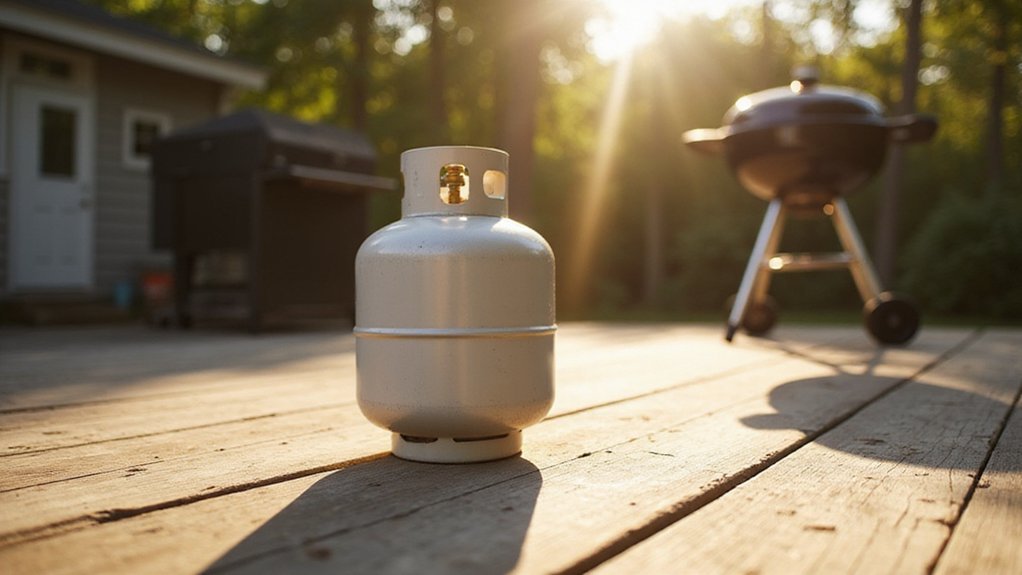
Once you’ve positioned your heater correctly, follow this startup routine to ensure safe and efficient operation. Secure the tank at least six feet away on a non-flammable surface to prevent fire hazards and ensure stability. Before opening the propane tank valve, mix dish soap with water and apply it to all connections. Look carefully for bubbles, which indicate a gas leak. Only after confirming there are no leaks should you open the tank valve slowly to avoid sudden pressure surges. Understanding the real explosion risks is key to preventing accidents.
Next, turn the control knob to PILOT, hold it down, and ignite the pilot light. Keep the knob pressed for up to thirty seconds to allow the thermocouple to heat up and keep the pilot lit. Release the knob only if the pilot remains on; if it blows out, repeat the process. Once the pilot is securely lit, turn the control knob to ON and activate the burner. During operation, constantly check the flame — it should burn with a steady blue color. For maximum efficiency and safety in a confined space, ensuring clean air filtration is essential. Additionally, ensure your carbon monoxide detector is active and functioning properly before and during use.
Routine Maintenance for Your Garage Propane Heater
Performing routine maintenance on your garage propane heater ensures it operates safely and efficiently. Begin by inspecting your propane tank for dents or rust before each use, as damage or corrosion can lead to leaks or failures. Check all hoses for cracks, leaks, or signs of wear—any damage means they should be replaced immediately. To verify the gas system, apply a soapy water solution to all connections; bubbles will indicate a leak that needs fixing before use. Knowing how a propane tank gauge works helps you accurately monitor fuel levels during this inspection.
Next, focus on the burner. Examine its surfaces for soot buildup or insect nests, which can hinder proper ignition and combustion. Use a vacuum to clear dust and debris from the air intakes, allowing proper airflow. Carefully clean the pilot assembly with a soft brush to remove any dirt, and ensure the igniter is free of debris so it can spark reliably. When selecting outdoor heating solutions, considering the best patio daybeds can complement your garage workspace for comfortable multi-season use. Confirm that ventilation areas around the heater are unobstructed, preventing dangerous buildup of carbon monoxide or overheating. As with other chemical treatments, it’s important to follow the manufacturer’s specific instructions to avoid damaging your equipment. When the heater is not in use, always disconnect the propane tank and store it safely outside, away from heat sources or open flames.
Can You Safely Run a Propane Heater Overnight in a Garage?
Running a propane heater overnight in your garage is not recommended due to the high risk of fire and carbon monoxide buildup. If you must do it, only use a heater rated for indoor use that features an oxygen depletion sensor. Ensure massive ventilation by keeping the garage door open at least two feet to reduce dangerous gas accumulation. Conducting a test run with a carbon monoxide monitor is a crucial safety step to ensure zero readings before extended use. Install carbon monoxide detectors in the garage, especially since most CO-related deaths happen during sleep when the danger is less detectable. Never leave the heater unattended, as manufacturer warnings typically prohibit continuous operation without supervision. A remote thermostat can help monitor the heater from a distance, but it does not eliminate safety concerns. Portable propane heaters are generally not designed for overnight use, making electric heaters a safer alternative for heating your garage overnight. Selecting the right appliance for a specific task, like choosing the best pool vacuum, requires careful research into safety features and intended use. Just as you would diagnose a cloudy swimming pool, you must thoroughly check your garage’s air quality and heater function.
Making Your Final Garage Safety Decision
Prioritizing safety is essential before heating your garage with propane. Key elements include proper ventilation, safety features, monitoring devices, and strict usage limits. Your heater placement is critical; keep it at least three feet away from all walls and combustible materials to reduce fire hazards. Certified safety features such as automatic shutoffs and flame failure devices are non-negotiable. Always install a functioning carbon monoxide detector to monitor dangerous emissions. Active ventilation—like exhaust fans or louvers—must be maintained to disperse fumes and prevent buildup.
Operate the heater in short intervals and never leave it unattended during use. Adhering to these safety practices ensures your heating system minimizes risks while still meeting your comfort goals. Properly balancing these considerations allows you to safely use an open-flame device in an enclosed space, reducing hazards associated with indoor propane heating.