Thinking about adding a fire pit to your backyard but unsure if a DIY kit is worth it? These kits can be a budget-friendly way to create a cozy gathering spot.
They often cost less and take just a few hours to assemble. They give you the chance to customize your space and enjoy a durable feature with proper care.
Keep reading to see if a DIY fire pit kit fits your needs.
How Much Does a DIY Fire Pit Kit Actually Cost?
A DIY fire pit kit typically costs between $200 and $1,300. Most standard options fall in the $300 to $800 range. Basic metal bowls or block sets start around $200, making them suitable for budget-conscious projects. Mid-range kits with quality stone and polished finishes usually run between $500 and $800. If you opt for premium natural stone or large custom designs, expect to pay $1,000 or more. These prices reflect the level of materials and craftsmanship involved. Remember, your investment goes beyond the pit itself; it’s about creating a focal point that elevates your outdoor space. This is similar to how an infrared sauna offers more than just warmth, providing targeted therapeutic benefits. Consider how well the fire pit matches your existing garden lighting and outdoor furniture when assessing the overall cost. Before installing your fire pit, you should test the pH and chemical levels of any nearby pool water, as smoke and ash can affect the water chemistry balance. Proper preparation, similar to reading a pool installation guide, can help prevent issues.
How Easy (and Safe) Is the Installation?
Installation quality directly impacts how safely and quickly you’ll enjoy your fire pit. Pre-engineered kits with modular components make the process relatively straightforward, involving clearing the site, leveling a stable gravel base, and dry-fitting parts using basic tools. This foundation is essential for safe, long-lasting outdoor heating. Proper preparation includes digging and tamping a base for optimal stability and drainage. Just as a sauna heater requires following specific steps, successful fire pit assembly depends on careful attention to the manufacturer’s instructions. The propane tank cost for a gas fire pit is an important part of your total project budget, as ongoing propane consumption will affect your long-term expenses. For gas models, handling connections with care is crucial. You must properly seal threads, attach the regulator, and conduct a leak test with soapy water before lighting. Skipping steps like thorough leveling or testing for leaks can pose serious safety risks. Carefully follow every instruction to ensure your fire pit operates safely and efficiently.
How Long Will a DIY Kit Really Last?
The lifespan of your DIY fire pit kit depends mainly on its materials and how well you maintain it. Stone or brick kits can last over 50 years because they resist weathering and high heat cycles. In contrast, budget galvanized steel might only last 10 to 25 years, as it’s more prone to rust and wear over time. The type of fuel you use also influences longevity: wood-burning pits endure repeated heating and cooling, which can cause cracks or structural wear if not maintained properly. Gas systems face component fatigue and potential corrosion, reducing their lifespan, so monitoring the fuel level with a propane tank gauge can help prevent damage from running an empty tank during use. For a propane setup, it’s wise to follow a DIY propane fire pit guide to ensure safe and correct installation from the start. Regular maintenance practices—burning dry wood, cleaning out ash after each use, and letting the pit cool completely—help prolong its service life. Covering your setup with a heavy-duty weatherproof cover shields it from rain and snow, preventing premature deterioration. With consistent care, you can enjoy decades from a masonry-built kit or a more budget-friendly metal option.
Can You Customize a Kit to Match Your Style?
You can thoroughly customize a DIY fire pit kit to match your outdoor style. Instead of a fixed design, these kits give you control over the final look. You can choose the shape and layout, ensuring it complements your garden aesthetics and seating arrangements. Selecting materials and finishes is also flexible—whether you prefer rustic stone blocks or sleek polished caps, you can match them to your patio’s vibe. Many kits are designed for quick assembly, taking about 15 minutes total.
Focusing on durability is key: you’ll want to pair sturdy fire rings with equally durable blocks to withstand outdoor conditions over time, just as you would select a high-quality cover for above ground pool for long-term protection. Many retailers offer idea galleries with different configurations, helping you visualize your custom design before building. This level of customization ensures your fire pit becomes a seamless, attractive feature rather than an out-of-place addition.
Is a DIY Fire Pit Kit the Right Choice for You?
A DIY fire pit kit can be a practical and cost-effective way to add a fire feature to your backyard, especially if you are comfortable with some hands-on projects. First, measure your space carefully to determine the appropriate diameter and clearance. You should allow at least 10 feet of space from any structures for fire safety. If you have a small patio or are renting, a portable kit offers flexibility and easy relocation, while a fixed modular stone kit provides long-term durability for permanent setups. Planning your outdoor sauna project can provide similar lessons in balancing upfront kit costs with long-term value.
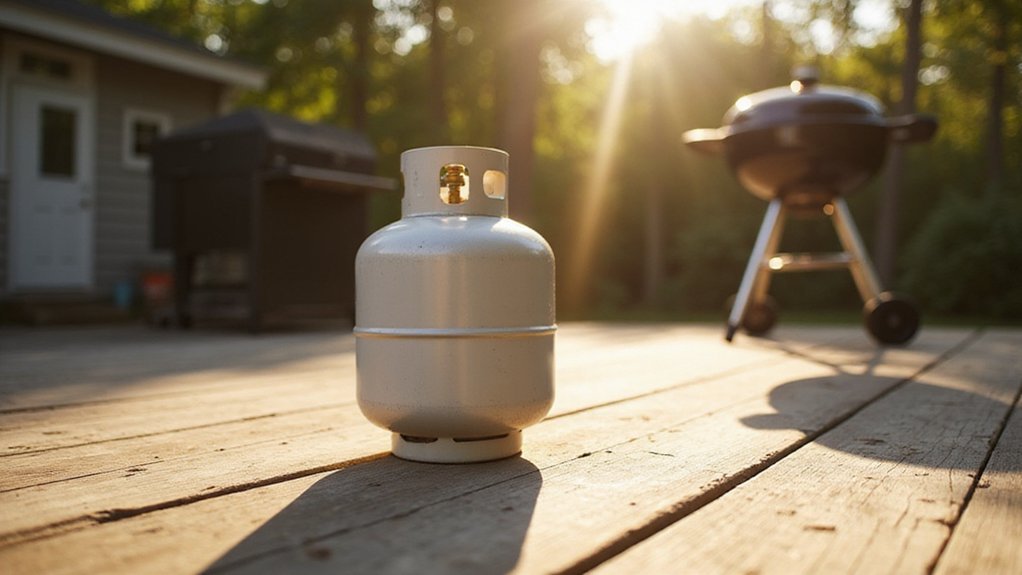
Price-wise, kits generally range from $100 to $625, providing predictable upfront costs that are often lower than hiring professionals. Evaluating an inflatable hot tub follows a similar principle of finding a balance between budget and features. These kits are designed for quick assembly, often taking only a few hours in an afternoon, making them ideal for DIY enthusiasts. For extended gatherings, consider that a standard 20 lb propane tank will fuel a typical fire pit table for about 10 to 12 hours. Keep in mind that proper planning and measurement prevent common mistakes like choosing a kit that’s too large or placing it too close to flammable materials.
When Should You Skip the DIY Fire Pit Kit?
You should skip a DIY fire pit kit when your design needs are highly custom. Standard kits are limited in shape, size, and finish options, which can restrict your creative vision. If you want a fire pit that seamlessly matches your existing patio or landscaping features, a custom build is the better choice.
Avoid kits when safety concerns are critical, such as navigating complex local regulations, working on sloped terrain, or installing gas lines. Many kits do not account for these factors and leave safety and compliance up to you. This is especially true for installations involving gas line connections, which are detailed in specialized DIY installation guides. Performing thorough research and comparing the top options before committing to any complex home project is always a smart move.
Also, skip the kit if you lack the masonry skills or tools needed for proper construction. A professional build ensures correct leveling, venting, and durability, resulting in a long-lasting fire pit that meets all safety standards.
What to Look for in a Quality DIY Fire Pit Kit
When choosing a DIY fire pit kit, prioritize materials that offer high heat resistance and longevity. Thick, heat-rated steel like 304 stainless steel is ideal because it resists warping and rusting over time. Engineered stone can also be a durable option if properly rated for outdoor use. Avoid thin steel pans or lesser-quality metals, as they are prone to premature failure and safety hazards. Check that any glass or media included is certified for high heat applications to ensure safety and durability. Additionally, safety features are essential; opt for a kit with a CSA or UL-certified ignition system if it’s gas-fueled, and ensure you have a plan for safe propane tank handling for refills and operation. Safety devices like spark screens and clearly specified clearance distances from combustible materials help prevent accidents. Proper design should facilitate good ventilation and airflow channels to promote efficient, cleaner burning, and you must evaluate the maintenance requirements of your chosen materials. Lastly, verify that the kit includes all necessary components and accessories to guarantee a complete and compatible installation, preventing future surprises or incomplete setups.
Wood vs. Gas: Choosing Your Fuel Source
Choosing between wood and gas for your fire pit hinges on your priorities for ambiance, convenience, and maintenance. Wood offers a traditional campfire experience with crackling sounds and a smoky aroma that many find nostalgic. However, it requires careful management of safety hazards like flying sparks and embers, as well as regular cleanup of ash and storage of wood, so it’s crucial to understand the correct safety protocols for any materials you use. Gas, which uses propane or natural gas, provides instant ignition and easily adjustable flames, creating a cleaner and more controlled environment. It also reduces smoke and safety risks associated with flying sparks. For fuel efficiency, gas delivers consistent heat on demand, whereas wood’s output can fluctuate depending on how it’s burned. Much like the critical barrier a pool liner provides, your fuel choice forms a foundational layer for your fire pit’s function and safety. Your choice should reflect whether you value an authentic, rustic atmosphere or prefer streamlined operation with lower maintenance. When using a propane tank, always follow the proper filling procedures to ensure safety.
Top DIY Fire Pit Kit Brands and Models Reviewed
Several reputable brands offer DIY fire pit kits that prioritize performance, safety, and style. Solo Stove’s stainless steel kits are ideal for a minimalist look and smokeless operation; they support installation within custom surrounds. FirePit Direct provides CSA-certified kits, which are straightforward to assemble and allow you to choose your preferred fire media. Hearth & Home offers robust, builder-grade systems perfect for integration into stone masonry, adding to your outdoor aesthetic. For budget-friendly options, Empire Comfort Systems’ circular burner kits deliver reliable heat for smaller patios. Each brand supplies essential components, giving you the flexibility to personalize your fire feature while maintaining safety and functionality. This selection process mirrors the approach used when comparing top above ground pool vacuums on key performance metrics.
So, Are DIY Fire Pit Kits Worth Buying?
DIY fire pit kits are generally worth buying if you prioritize affordability, quick setup, and style customization. They typically cost between a few hundred to around a thousand dollars, making them a more economical choice compared to professional installation. Kits come with pre-packaged materials and step-by-step instructions, allowing you to build your fire pit in a weekend or less, depending on complexity and your skill level.
However, the materials included in kits may be of lower quality than those used by professionals, which could mean the fire pit wears out sooner. It’s important to weigh the initial savings against the potential need for earlier replacement or repairs. To make sure your investment pays off, follow all safety guidelines carefully—this includes preparing a stable, non-combustible base and maintaining safe clearance distances during use. Some reputable kits, however, use high-quality materials like marine grade 316 stainless steel for superior durability and corrosion resistance. Regular maintenance like checking for cracks, cleaning ash and debris, and inspecting for corrosion will help extend the lifespan of your fire pit and keep it safe for seasons to come.