Ever wondered how to enjoy a fire pit safely in your backyard? The key is knowing the essential safety tips that keep your evenings cozy without risks.
From choosing the right spot to proper extinguishing, mastering these basics ensures every fire is a safe one. Keep reading to get all the crucial details for a worry-free fire pit experience.
Check Local Fire Codes and Burn Restrictions
Before lighting your backyard fire pit, you must check local fire codes and burn restrictions. Regulations can vary significantly depending on your area, and activities permitted in one location might be prohibited in another. Start by contacting your local fire department or visiting municipal websites to find specific guidelines. Be sure to understand any permit requirements, especially if you have a permanent fire feature, as some municipalities require approvals before use. Always verify the current burn-ban status through official sources because violating active bans can lead to fines or other penalties. Fuel restrictions are also important—some areas restrict what materials you can burn, such as yard waste, treated wood, or plastics. It’s equally crucial to understand the different types of essential pool chemicals for maintaining water balance and safety. Additionally, check if your homeowners’ association has additional rules that may impact your ability to use a fire pit. Doing this research ensures your fire is both lawful and safe from the start. For a propane-fueled fire pit, following a DIY guide can help ensure the installation is up to code. Just as you would properly connect vacuum hoses for pool cleaning, preparing your fire pit setup correctly is vital.
Choose a Safe Location for Your Fire Pit
Choosing a safe location for your fire pit involves ensuring proper clearance from your home and surrounding structures. Keep the fire pit at least 10 feet away from your house, fences, sheds, and neighboring buildings to prevent accidental fires. Extend this distance to 10-20 feet from property lines, and maintain a minimum of 5-10 feet from shrubs or low-hanging branches to reduce the risk of flames reaching combustible foliage. Verify that there is at least 7 feet of vertical clearance beneath overhangs, roofs, or tree limbs to keep flames and sparks away from overhead hazards. Additionally, create a defensible zone by clearing a 10-20 foot radius around the area of dry leaves, grass, and debris. Before lighting your fire, check the wind direction to avoid using your fire pit in high winds, which can carry sparks and spread flames unpredictably. Like a pool liner replacement project, accounting for site-specific challenges upfront can prevent costly safety issues later. It’s also helpful to understand the propane tank lifespan to plan your fuel usage for the season. While focused on safety, one can consider the health and relaxation benefits of an infrared sauna as part of comprehensive backyard wellness planning. Proper placement helps ensure safe usage of your fire pit and all associated accessories.
Prepare a Stable, Non-Combustible Base
To ensure a stable, non-combustible base, start by selecting a safe, level spot away from overhanging trees or structures. Clear the area of all flammable vegetation and organic debris to prevent accidental fires. Use only non-combustible materials such as gravel, crushed stone, or concrete for the foundation. Extend the base at least 18 inches beyond the edges of the fire pit to contain sparks and stray embers effectively. For a permanent installation, excavate several inches into the ground, then add and compact layers of gravel or crushed stone, followed by a layer of sand, tamping each layer firmly. Make sure the surface is perfectly level to prevent tipping or shifting over time, which is a principle of good outdoor safety preparation shared with securing a pool area. Maintaining a clean, stable, and non-flammable base is essential to keep the fire contained and reduce fire hazards in the surrounding area. This stable foundation is equally important for both gas and propane fire pit installations, just as following proper chemical wait times is essential for pool safety.
Select the Right Wood and Fuel for Your Fire Pit
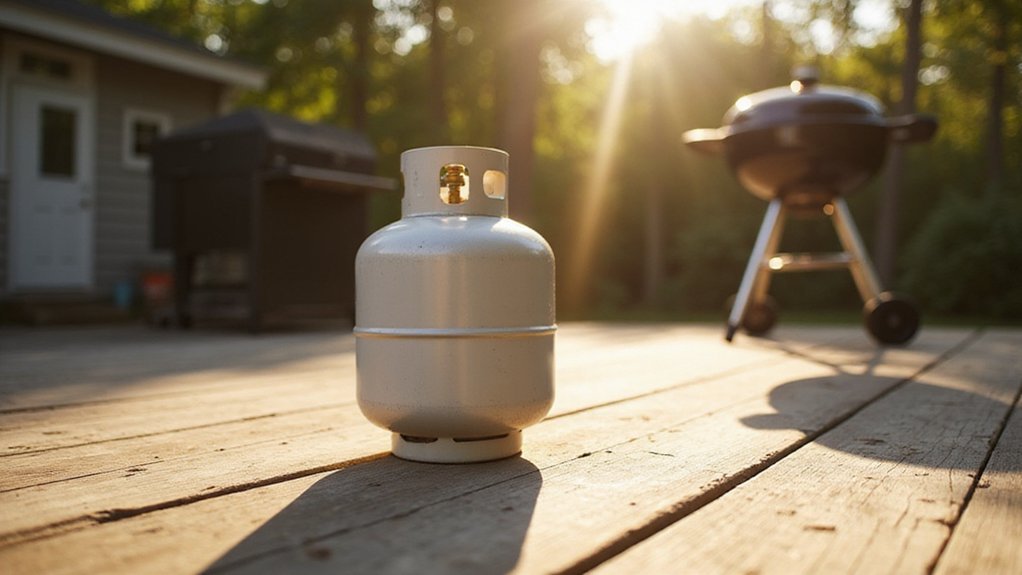
Using the right type of wood is essential for a safe and efficient fire. Always opt for seasoned or kiln-dried hardwood, as fresher wood contains more moisture, which hampers combustion. Keep firewood moisture under 20 percent to minimize smoke and maximize heat output. Proper storage is also crucial; logs should be kept off the ground, elevated on racks or pallets, and covered from rain or snow with open sides for airflow. Never burn treated, painted, or glued wood because these contain chemicals that release toxic fumes when heated. Avoid softwoods like pine for your main fuel because they burn quickly, produce more smoke, and create buildup in your fire pit. For consistent and controllable heat, many fire pit owners choose to burn propane, and you can plan your usage by calculating your propane burn rate. Also, do not use moldy or rotten wood, as it may produce unpleasant odors and potentially harmful smoke. When selecting logs, ensure they are appropriately sized for your fire pit and split if necessary to promote more efficient burning and easier ignition. Just as a pool needs balanced water chemistry to be safe and clear, your fire requires clean, dry fuel for optimal results. You can apply similar DIY material protection principles to shield your firewood storage racks from the elements.
Start and Tend Your Fire Pit Safely
Always start your fire on a level, non-flammable surface such as stone or concrete. Ensure there is at least a 10-foot clearance from any structure, vegetation, or overhang to prevent accidental fires. Check for local burn bans or high wind advisories in your area before lighting. Use proper firestarter techniques by stacking dry tinder and kindling in a small base, then light it with a long lighter—never use flammable liquids. Gradually add larger logs to keep the flames under three feet high, making the fire safer and easier to control. Constant supervision is critical; always keep an eye on the fire, especially if the wind picks up. Use a metal screen or cover to contain sparks and prevent embers from escaping. Never leave your fire unattended. Avoid burning trash or treated wood, as these release toxic fumes that can be hazardous to health and the environment.
Set Safe Distances for People, Pets, and Guests
Maintaining a clear safety perimeter around your fire pit is essential. You should establish a minimum safe distance of 3 feet from the edge of the fire pit for children, pets, and seated guests. This “no-go” zone must be strictly enforced until the fire is completely out and the pit is cool. Active child supervision is non-negotiable—keep kids at least 20 feet away when they are playing nearby. For pet safety, ensure any excitable animals are leashed well beyond the 3-foot perimeter to prevent lunging toward the heat. All seating should be placed at least 3 to 4 feet away from the fire, with additional distance recommended for those in loose clothing or flowing attire. Proper maintenance of your fire pit’s heater element is crucial for safe and efficient operation. Keep your entire fire area at least 10 feet away from your house, fences, and any overhead branches to minimize risk. Always have a fire extinguisher or a garden hose readily accessible for immediate emergency response. For emergencies involving other backyard features, like quickly and safely addressing pool water issues, knowing the best salt shock options can be invaluable.
Contain Sparks and Manage Embers
To effectively contain sparks and manage embers, you need two key tools: a well-maintained metal spark screen and an appropriate fire pit location. Use a tight-fitting spark screen over the fire to prevent flying debris from escaping. Always ensure the screen is secure and free of holes, as even small gaps can let sparks fly out and land in flammable areas. For ember control, burn only dry, seasoned wood because it produces fewer pops and sparks. Keep logs appropriately sized for your fire pit to prevent them from rolling out as they burn. Limiting the flame height and avoiding overloading the pit also reduces the number of embers generated. Position your fire pit on a non-combustible surface and keep the surrounding area clear of leaves, twigs, or other flammable debris to catch any stray embers that land outside the fire zone. For optimal heat retention and safety, consider placing your fire pit on a non-flammable base such as stone or concrete, similar to how a proper DIY outdoor sauna requires a solid, level foundation. You must also monitor the fire continuously to spot and address any stray sparks or embers that escape your containment.
Keep Your Fire Extinguisher and Tools Ready
Having your fire extinguisher and tools ready is essential for quick response during a fire. Keep a working extinguisher within arm’s reach but away from heat sources to prevent accidental activation or damage. Regularly inspect the extinguisher to ensure it’s charged and in proper working condition—that way, you won’t find yourself fumbling during an emergency. Remember the PASS method: Pull the pin, Aim at the base of the flames, Squeeze the handle, and Sweep side to side. Just like reviewing installation instructions ensures your project goes smoothly, knowing your tools and their operation is critical.
In addition to the extinguisher, keep tools like a poker, gloves, and a shovel nearby for safe log adjustment and ember management. Just like assembling your pool vacuuming tools beforehand simplifies cleaning, proper storage organization means these items are easy to grab without stepping too close to the fire. Also stage a bucket of water or sand as a backup fire suppression option. Lastly, ensure a first aid kit is accessible for treating minor burns or injuries caused by sparks or embers.
Extinguish Your Fire Pit Completely
To fully extinguish your fire pit, start by letting the fire burn down to a bed of embers. Once the flames have diminished, carefully pour water over the ashes, beginning from the edges and moving inward until the hissing sound stops. This gradual approach helps prevent ashes from splattering and ensures safer cooling. After pouring, thoroughly stir the wet mixture with a shovel to expose any hidden hot spots. Repeat the pouring and stirring process until the entire mixture is a cool, muddy slurry with no visible steam or hissing. If water is unavailable, spread out the remaining embers and smother them with dry sand or dirt, then stir to cut off oxygen supply and extinguish any residual heat. This deliberate smothering method is similar to a key principle in propane tank safety, where controlling fuel and oxygen is critical to preventing fires. Always ensure the fire is completely out; never leave a fire pit with any lingering heat.
Maintain and Clean Your Fire Pit Area
After you’ve completely extinguished your fire pit, regular maintenance and cleaning are essential for safety and longevity. Clear all grass, leaves, and debris from around the pit before each use to prevent embers from igniting nearby materials. Place the fire pit on a level, non-combustible surface like concrete to reduce the risk of accidents. To clean, remove cooled ashes with a metal shovel and store them in a metal container away from combustible items. Regularly brush soot from the interior walls to prevent corrosion, which can weaken the structure over time.
Don’t forget to clean essential fire pit accessories such as lava rocks and grates. Accumulated debris in these parts can cause flare-ups or uneven burning. Keep the surrounding area free of clutter to ensure safe operation of outdoor lighting and furniture. When the fire pit is not in use, always cover it with a weatherproof cover to protect it from the elements and reduce maintenance needs. Proper upkeep not only extends the lifespan of your fire pit but also maintains a safe and enjoyable outdoor environment.