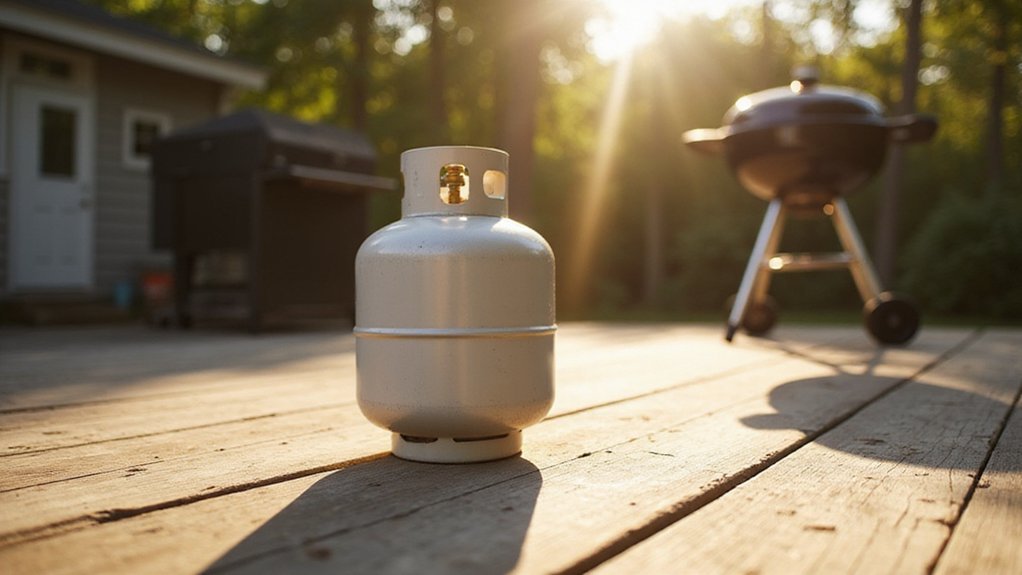
Getting rid of a propane tank safely is crucial to avoid accidents or injuries. But how do you properly dispose of a tank that’s no longer useful or damaged?
The key is making sure it’s completely empty and then taking it to the right disposal facility.
Keep reading to learn the safest step-by-step process for handling propane tanks properly.
Why Proper Propane Tank Disposal Is So Important
Proper disposal of propane tanks is crucial for safety, health, and environmental protection. When a propane tank is not disposed of correctly, it can release leftover gases that contribute to greenhouse gases, harming efforts to conserve the environment. Leaking propane can degrade local air quality, posing health risks to those nearby. Discarded tanks left in landfills become long-term waste and can take decades to break down. Having the right tools for the job, like a vinyl patch kit, can prevent similar environmental leaks in other household maintenance.
Additionally, if a propane tank is crushed or heated improperly, it can cause a dangerous fire or even an explosion. This is why safe handling and disposal are essential to prevent accident risks. A similar principle applies when seeking therapeutic heat stress in an infrared sauna, where controlled, safe exposure is key to gaining benefits and avoiding harm. This potential for danger is also why it’s critical to know how long a full 20 lb propane tank lasts for active appliances, ensuring you don’t accidentally run out during use. Proper disposal also ensures you stay compliant with legal regulations, as many areas classify propane tanks as hazardous waste that cannot be thrown away with regular trash. Ignoring these rules can lead to fines or legal troubles. By disposing of propane tanks properly, you help protect waste workers, first responders, and the community while aligning with safety standards.
Critical Safety Mistakes to Avoid
Never attempt to puncture, cut, burn, or crush your propane tank, as this can cause a dangerous tank rupture that may lead to explosions or fires. Using heat or tools to force a pressure release is equally risky and must be avoided at all costs. Do not treat tanks as regular trash by throwing them in household bins or dumpsters. Always ensure the tank is completely empty and depressurized before disposal. Never store or transport a propane tank indoors, in direct sunlight, or near heat sources, as these conditions increase pressure inside the cylinder. This increased pressure can cause the relief valve to open or, in extreme cases, lead to a catastrophic failure. When transporting, always keep the tank upright and secured; never carry it horizontally or in a sealed trunk, as this can cause leaks or damage. The overall cost of a propane tank can vary based on factors like market demand and steel prices. Following these precautions can prevent accidents and ensure safe disposal.
How to Safely Check If a Propane Tank Is Empty
To confirm your propane tank is empty, start by checking the built-in gauge located under the tank’s lid. A reading near 0% indicates it’s empty. If your tank lacks a gauge, perform the warm water test. Pour warm water down the side of the tank, then feel with your hand along the surface. The metal will feel cool where liquid propane remains inside. You can also weigh the tank and compare it to the tare weight stamped on the collar; a significantly lighter weight suggests it is empty. An empty tank typically weighs just a few ounces more than its stamped tare weight, as the weight difference indicates remaining propane. Never attempt to check the tank’s pressure directly by opening the valve, as this can be dangerous. Rely solely on these indirect methods while following all safety precautions.
Can You Throw an Empty Propane Tank in the Trash?
You should never put an empty propane tank in your trash. Even if the tank appears empty, it still contains pressurized residual gas that can cause a dangerous explosion during trash collection or when compacted in a landfill. This risk can endanger waste workers and damage recycling equipment. The presence of paint or safety labels on the tank does not change this rule, as the cylinder’s construction and potential contents require special handling. Always consult your local waste disposal guidelines, but the safest rule is never to toss a propane tank into the trash or recycling bin. For safe handling, always ensure you have the proper safety tools when dealing with any propane equipment.
Where to Take Small Tanks (20 Lb Grill Cylinders)
You can take your empty 20 lb grill cylinders to several reliable places for proper disposal or recycling. Many hardware stores participate in tank exchange programs, where you swap your empty tank for a filled one. Be sure to check the tank labeling for “RECYCLE” to ensure they accept it for recycling. Local propane suppliers and fuel stations often accept empties for refilling or requalification, but calling ahead confirms their policies. Municipal Household Hazardous Waste centers or events also accept these tanks for proper disposal. For tanks that are no longer usable, specialized scrap metal recyclers will process depressurized steel cylinders. Properly managing the chlorine levels in a pool similarly requires following specific guidelines for safe handling and disposal. Always make sure your tank is completely empty, verify that the valve is intact, and contact the location beforehand to confirm acceptance policies and any fees involved. These propane fire pit projects often require a steady and safe fuel source, making proper tank handling essential. Protecting your grill from the elements with a durable outdoor cover can extend its life and keep your fuel connections in good condition.
Options for Disposing of Large or Bulk Propane Tanks
Large propane tanks require professional handling for safe disposal. You must rely on licensed propane companies or certified hazardous materials contractors for their removal. Typically, your propane supplier owns or leases the tank and coordinates its removal when ending service, scheduling this through their established program. These professionals perform essential de-fueling and purging procedures to transfer any residual gas, ensuring compliance with strict disposal regulations. They use specialized equipment to transport the heavy tank safely.
Always verify the credentials of the company performing the disposal, including liability insurance and technician certifications. Before transport for recycling or disposal as scrap metal, tank certification documentation confirming that the vessel is depressurized and empty is often required. Proper handling by trained specialists ensures safety and regulatory compliance throughout the removal process.
Finding a Local Hazardous Waste Drop-Off Site
You can find local hazardous waste drop-off sites for small propane cylinders by visiting your state or county’s environmental department website. These sites are typically listed in a directory of Household Hazardous Waste locations, which can usually be filtered by ZIP code to locate nearby facilities. Your city’s waste management webpage is also a good resource, especially since many urban areas require residents to use community collection programs for hazardous waste disposal. Utilizing these programs can be a significant cost-saving measure compared to improper disposal fees. Just as proper preparation with the correct tools and materials is essential for installing an above-ground pool, having the right information is key for safe disposal. Proper planning for disposal, much like using a solar pool cover to retain heat and reduce evaporation, is an efficient step in responsible management.
Always verify that the facility accepts small propane tanks before making a trip. Check their operating hours, residency requirements, and any specific transport rules—such as keeping tanks upright during transport. Most programs are free for residents but may limit the quantity of waste you can drop off per visit. Following these steps helps ensure safe and compliant disposal of propane cylinders.
Recycling Your Propane Tank for Scrap Metal
Once your propane tank is completely empty and has been depressurized, you can recycle it as scrap metal at a local scrap yard or transfer station. Before recycling, ensure the tank has a secured valve cap and is fully depressurized. Many facilities accept empty steel cylinders, such as 20-pound fuel tanks, as acceptable ferrous scrap. You’ll typically be paid by the pound for the metal content. Staff at the recycling site will inspect your tank to confirm it’s empty, following strict safety regulations. Professional valve removal with specialized tools is often required before a scrap yard will accept the cylinder for cutting and recycling. Never attempt to cut, puncture, or modify the tank yourself; recyclers handle any disassembly required. To help staff identify its safe status, mark the tank clearly with “EMPTY” before dropping it off. Use online directories or your local waste authority’s list to locate a participating scrap yard.
Handling a Damaged or Leaking Propane Tank
If you suspect a damaged or leaking propane tank, treat it as an immediate safety hazard and act swiftly. First, evacuate the area and stay far away from any ignition sources, including static electricity, sparks, or flames. To check for leaks, perform a leak detection with a soapy water solution applied to valves and connections: bubbles will form if a leak is present. If it is safe to do so, close the tank valve to stop the leak.
A damaged tank should never be repaired by a consumer; it must be withdrawn from service and taken out of circulation. Moving a small portable cylinder outdoors is acceptable only if you can do so safely without walking through gas fumes. Mark the tank clearly with proper labeling indicating it is out of service. Never attempt to reconnect or reuse a damaged tank. Instead, call 911 and your propane supplier from a safe distance to get professional advice and assistance. They will determine the next steps for handling the unsafe cylinder safely.
Propane Tank Disposal: A Step-by-Step Checklist
After you’ve used up the propane, follow these steps to dispose of the tank safely. First, empty the tank by running your appliance until the flame goes out. This reduces residual gas inside. This means using the entire contents of your standard 20 lb propane tank. Next, for pressure release, open the valve outdoors away from any flames or ignition sources and vent the residual gas for several hours. This step helps ensure no flammable gas remains. Then, inspect the tank for any damage or corrosion; if it’s damaged, special handling is necessary. Understanding the difference between propane and natural gas can inform your choice for future fuel needs. Label the tank clearly by writing “EMPTY” on it with a permanent marker. Finally, always follow your local disposal rules, as propane tanks are usually classified as household hazardous waste. Use online directories or local government resources to find a certified drop-off site, a retailer with a take-back program, or a scheduled collection event. Many retailers, such as the original purchase company, may accept your empty tank for a small fee as part of a replacement program. Never dispose of a propane tank in your regular trash or recycling bin to prevent accidents. Proper storage tips for full or partially full tanks, like ensuring ventilated outdoor storage, are also crucial for safety before disposal.